Are Smart Pet Treadmills Worth It? Best Indoor Exercise Machines for High-Energy Dogs
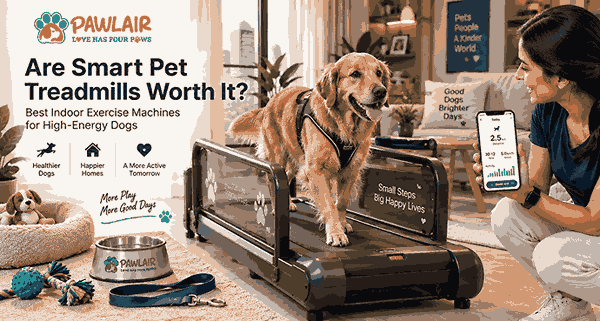
High-energy dogs need regular physical activity, but busy schedules, extreme weather, poor air quality, or limited outdoor space can make daily exercise challenging. A Smart dog treadmill can provide a controlled indoor exercise option, but it should complement, not replace, outdoor activities, enrichment, veterinary care, and regular pet walking.
What Is a Smart Dog Treadmill?
A smart dog treadmill is an exercise machine designed specifically for dogs, typically featuring a moving walking surface, speed controls, safety features, and sometimes digital displays or programmable workout settings. Some advanced models can help owners monitor or control exercise more precisely.
Unlike human treadmills, dog-specific treadmills are designed around canine body movement and safety considerations. Before purchasing, check the manufacturer’s recommended dog size, maximum weight, running surface dimensions, speed range, safety features, warranty, and availability of replacement parts.
Why Consider Indoor Dog Exercise Equipment?
The biggest advantage of indoor dog exercise equipment is convenience. A treadmill can provide an exercise opportunity when outdoor conditions make a normal walk difficult, such as heavy rain, extreme heat, poor visibility, or other environmental limitations.
For young professionals and families with demanding schedules, an indoor exercise machine can also provide additional flexibility. However, physical exercise is only one part of a dog’s daily needs. Dogs also benefit from sniffing, exploring, social interaction, training, and environmental enrichment that a treadmill cannot fully reproduce.
Which Dogs May Benefit?
High-energy dogs with suitable physical health may benefit most from structured treadmill exercise. Dogs that become restless when their usual activity is limited may have another controlled way to burn energy indoors. Breed alone should not determine whether a treadmill is appropriate. Age, fitness level, body condition, temperament, previous exercise experience, and health status all matter. Puppies, senior dogs, overweight dogs, and dogs with orthopedic or cardiovascular concerns may require professional advice before starting treadmill exercise.
Is a Smart Dog Treadmill Worth the Investment?
Whether a Smart dog treadmill is worth buying depends on how frequently you will use it and whether your dog’s needs justify the cost. If outdoor exercise is consistently difficult and your dog needs substantial activity, a treadmill may be a useful long-term investment.
If your dog already receives sufficient daily exercise outdoors and you rarely experience conditions that prevent pet walking, purchasing a treadmill may provide limited additional value. Consider the total cost, available space, maintenance requirements, and realistic frequency of use before making a decision.
Check the Treadmill Size
The running surface should be long and wide enough for your dog to walk naturally without feeling restricted. Your dog should be able to maintain a comfortable gait without constantly stepping near the edges. Never choose a treadmill solely because it is advertised as suitable for dogs. Compare the actual dimensions with your dog’s body size and stride length, and follow the manufacturer’s weight and size recommendations.
Look for Essential Safety Features
Safety should be the first consideration when evaluating indoor dog exercise equipment. Useful features may include emergency stops, side panels or guards, speed controls, non-slip running surfaces, and mechanisms that allow the owner to stop the machine quickly. Avoid leaving your dog unattended on a moving treadmill. Even a machine with multiple safety features cannot predict every behavior or mechanical problem. Active supervision is an essential part of safe treadmill exercise.
Use Positive Pet Training
A treadmill should be introduced through positive pet training rather than force. Teach your dog that approaching the machine, standing on the stationary surface, and walking calmly can lead to rewards and praise.
Break the process into small steps. If your dog becomes nervous, return to the previous stage instead of pushing forward. Building confidence can take several sessions, and some dogs may simply never enjoy treadmill exercise.
Monitor Your Dog During Exercise
Watch your dog’s body language throughout every session. Excessive panting, stumbling, repeated attempts to stop, unusual weakness, limping, drooling, or distress can indicate that the exercise should be stopped.
If your dog appears unwell or develops persistent symptoms after exercise, consult a veterinarian. A treadmill should never be used to push a dog beyond its comfortable physical limits.
Consider Your Dog’s Health First
Before introducing structured treadmill exercise, consider your dog’s overall health and fitness. Dogs with joint problems, injuries, respiratory issues, heart conditions, neurological concerns, or other health limitations may require veterinary guidance before starting a new exercise program.
If your dog is overweight or has been inactive for a long period, avoid suddenly introducing intense exercise. Gradual conditioning is generally more appropriate than trying to compensate for months of inactivity with long treadmill sessions.
Smart Features That May Be Useful
Advanced treadmill models may offer programmable speed settings, workout controls, timers, remote controls, displays, or other technology-based features. These can make exercise easier to manage, particularly for owners who want more structured routines.
However, smart features should not distract from basic safety. A simple, appropriately sized machine with reliable controls may be more useful than a highly connected model with features you never use.
Maintenance and Long-Term Costs
Before purchasing indoor dog exercise equipment, investigate cleaning, lubrication, electrical requirements, storage, servicing, and replacement-part availability. A treadmill that is difficult to maintain may become an expensive piece of equipment that receives little use.
Calculate the full ownership cost rather than considering only the purchase price. If possible, review the manufacturer’s warranty and service arrangements before buying.
How Pawlair Fits Into an Active Dog’s Routine
A treadmill can be one component of a broader exercise and enrichment plan. Pawlair can be considered alongside home exercise equipment when planning professional support for pet walking, training, grooming, and other aspects of responsible pet care.
For high-energy dogs, the best routine usually combines several appropriate activities rather than relying on one solution. Outdoor walks, supervised play, training, enrichment, and suitable indoor exercise can work together to provide a more varied lifestyle.
When to Skip the Treadmill
A treadmill may not be appropriate for every dog. If your dog shows persistent fear, cannot maintain a safe gait, has medical limitations, or strongly resists the equipment despite gradual introduction, do not force continued use.
In these circumstances, explore alternative forms of exercise such as controlled walks, indoor games, scent activities, training exercises, or veterinarian-approved conditioning. The best exercise is one that is safe, appropriate, and comfortable for the individual dog.
Frequently Asked Questions
1. Are smart dog treadmills worth buying?
A Smart dog treadmill can be worthwhile for high-energy dogs when outdoor exercise is frequently limited, and the owner can provide consistent supervision. It should be viewed as supplemental exercise rather than a complete replacement for walks and enrichment.
2. Can a dog use a human treadmill?
A dog-specific treadmill is generally preferable because it is designed around canine movement, size, and safety considerations. If considering any treadmill for your dog, follow the manufacturer’s specifications and consult a veterinarian when health or mobility concerns exist.
3. How do I introduce my dog to a treadmill?
Start with the machine switched off. Allow your dog to investigate it, reward calm behavior, and gradually introduce the sound and movement. Begin at a slow walking speed and keep early sessions short and positive.
4. How long should a dog use a treadmill?
There is no universal duration that suits every dog. Exercise should depend on the dog’s age, fitness, health, size, and individual response. Begin with short sessions and increase gradually rather than following an arbitrary time target.
5. Can a treadmill replace pet walking?
No. A treadmill provides controlled physical movement but does not fully replace the sensory and mental stimulation of outdoor pet walking. Whenever conditions are appropriate, outdoor walks should remain part of a balanced routine.