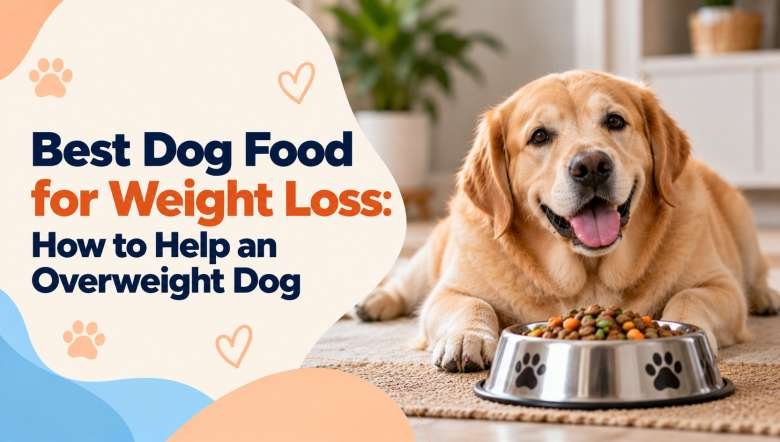
Why Weight Management Matters for Dogs
Excess weight can affect a dog’s mobility, energy, comfort, and overall quality of life. Choosing the best dog food for weight loss is not simply about reducing food portions; it means providing balanced nutrition while controlling calories and supporting healthy body composition.
For busy families, young professionals, and pet parents, weight gain can happen gradually through oversized meals, frequent treats, low activity, or free-feeding. Regularly checking your dog’s body condition, meal portions, activity level, and eating habits is an important part of responsible pet care.
How to Know If Your Dog Is Overweight
Before changing your dog’s diet, assess its body condition rather than relying only on body weight. Ideally, you should be able to feel the ribs under a thin layer of fat, see a noticeable waist from above, and observe an abdominal tuck from the side.
If your dog’s ribs are difficult to feel, the waist is barely visible, or the abdomen appears rounded, it may be carrying excess weight. A veterinarian can provide a more reliable body-condition assessment and help determine an appropriate target weight.
What Makes the Best Dog Food for Weight Loss?
The best dog food for weight loss should provide complete and balanced nutrition while delivering an appropriate number of calories for your dog’s needs. Look for a formula that supports lean body mass, provides adequate protein, and offers suitable levels of fat and fiber.
Weight-management formulas may use controlled calories and higher fiber to help dogs feel satisfied between meals. However, calorie density matters more than simply choosing food labeled “light” or “weight control,” so compare feeding recommendations and calories per serving.
Prioritize Protein and Balanced Nutrition
Protein plays an important role in maintaining lean muscle while a dog loses excess body fat. A suitable weight-management diet should provide adequate high-quality protein along with essential nutrients, vitamins, minerals, fats, and carbohydrates.
When comparing the best dog food in India, avoid choosing a product based only on attractive packaging or a short ingredient list. Check whether the food is nutritionally complete for your dog’s life stage and discuss specific dietary needs with a veterinarian.
Monitor Progress Regularly
Successful weight management depends on consistent monitoring. Weigh your dog periodically under similar conditions and keep a simple record of body weight, food portions, treats, exercise, and noticeable changes in appetite or energy.
Do not expect rapid weight loss. A gradual approach is generally safer and easier to maintain. If your dog is not losing weight despite measured portions and appropriate activity, speak with a veterinarian rather than continually cutting food.
Consider Your Dog’s Age and Lifestyle
A young, highly active dog may have very different nutritional needs from an older dog that spends most of the day resting. Breed size, reproductive status, activity, medical history, and current body condition can all influence calorie requirements.
This is especially important when selecting the best dog food in India, because the most popular product is not necessarily the right option for every dog. Choose nutrition based on your dog’s individual needs rather than online popularity alone.
Support Weight Loss Through Better Pet Care
Healthy weight management works best when it becomes part of a complete pet care routine. Regular feeding schedules, exercise, grooming, dental care, hydration, preventive veterinary visits, and behavioral support all contribute to your dog’s overall wellbeing.
Regular pet grooming can also give pet parents an opportunity to notice changes in body condition, skin health, coat quality, lumps, or mobility. Grooming itself does not cause weight loss, but it can support closer observation of your dog’s health.
Use Training to Build Healthier Habits
Food-based rewards can make pet training effective, but excessive treats can work against weight-management goals. Use tiny rewards and reinforce desired behaviors with praise, toys, play, or attention when appropriate.
Training can also encourage healthy daily habits. Practicing commands during walks, playing structured games, and teaching calm behavior around food can provide mental stimulation without relying on high-calorie snacks.
How Pawlair Can Support a Healthy Routine
A consistent lifestyle can make it easier for busy pet parents to maintain healthy habits. Pawlair can be considered as part of a broader routine that includes responsible pet care, appropriate pet training, regular pet grooming, exercise, and attentive daily interaction.
The goal should not be simply making a dog weigh less. A sustainable routine should help the dog maintain healthy body condition, mobility, energy, and quality of life while ensuring that nutrition remains complete and appropriate.
FAQs
1. What is the best dog food for weight loss?
The best dog food for weight loss is a complete and balanced diet with an appropriate calorie density, adequate protein, and suitable nutrients for your dog’s life stage. The ideal choice depends on your dog’s body condition, health, activity, and target weight.
2. Can I simply give my dog less regular food?
Reducing food without considering nutritional requirements may not be appropriate. Some weight-management diets are formulated to provide controlled calories while maintaining essential nutrients. Ask your veterinarian how much your dog should eat based on its target weight.
3. Are treats allowed when a dog is losing weight?
Yes, treats can often remain part of a weight-management plan, but portions should be small and included in the daily calorie intake. During pet training, use tiny rewards, regular food, praise, or play to reduce unnecessary calories.
4. How quickly should an overweight dog lose weight?
Weight loss should generally be gradual rather than rapid. The appropriate rate depends on the individual dog, its starting weight, health status, and diet. Regular veterinary monitoring can help ensure that weight is decreasing safely.
5. Does exercise matter if my dog eats weight-loss food?
Yes. A suitable diet helps control calorie intake, while appropriate exercise supports fitness, muscle maintenance, mobility, and overall wellbeing. Combine nutrition with a realistic activity routine and regular pet care for sustainable results.