Dog Training Basics 10 Commands Every Dog Should Learn
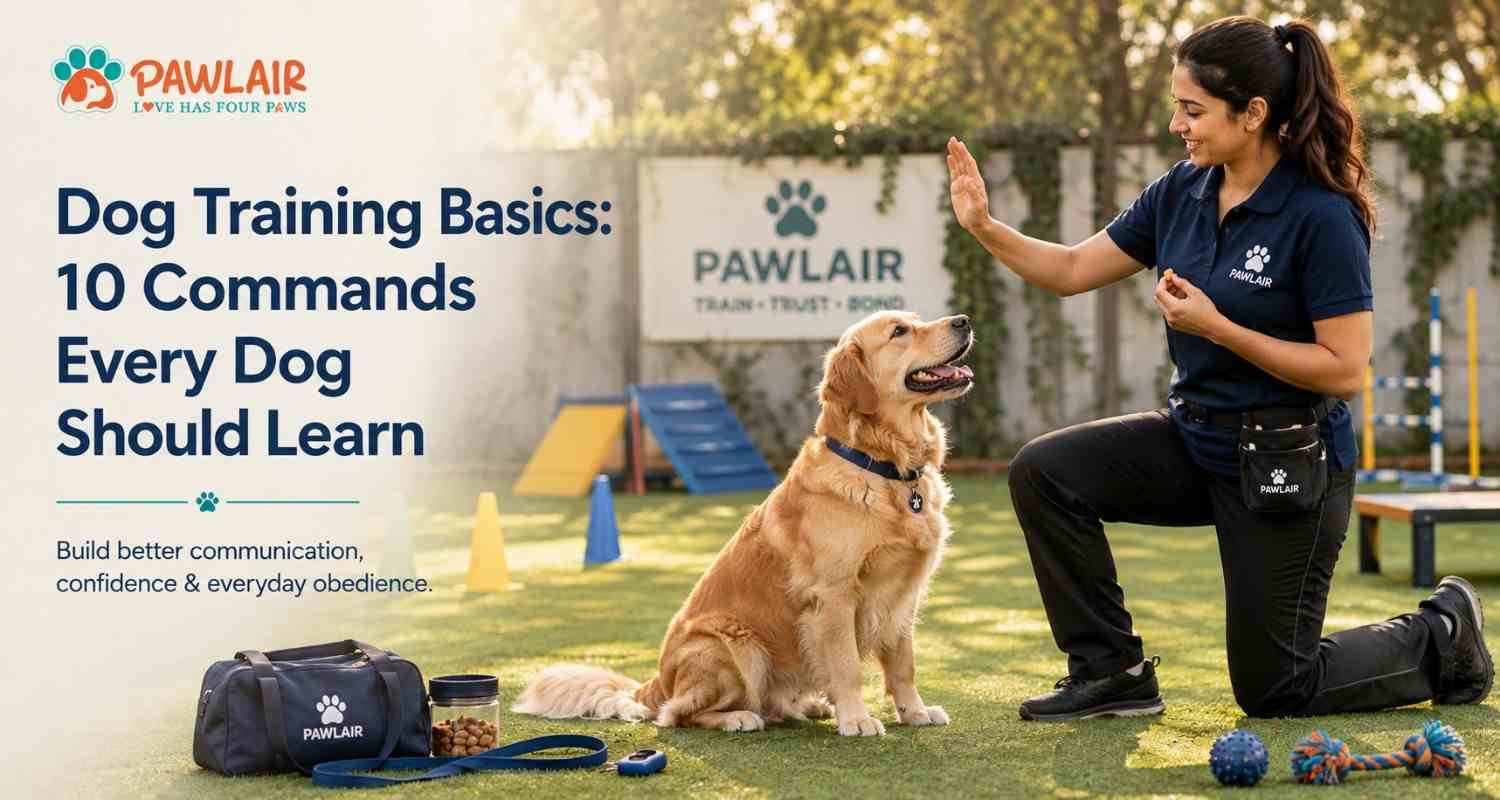
Dog training is an essential part of responsible pet care because basic commands help dogs understand boundaries, communicate with people, and respond appropriately in everyday situations. Whether you have a puppy or an adult dog, consistent pet training can improve obedience, confidence, safety, and the relationship between you and your pet.
Why Basic Dog Training Matters
Learning simple commands gives your dog practical skills that can be used at home, during pet walking, while meeting new people, and in unfamiliar environments. Training also provides mental stimulation and helps reduce unwanted behaviors such as jumping, excessive pulling, or ignoring recall. Short, consistent sessions are generally more effective than occasional lengthy training.
Before teaching commands, choose a quiet environment with minimal distractions and keep high-value treats available. Use one clear verbal cue for each behavior and reward your dog immediately when they respond correctly. Avoid shouting or punishment; calm repetition and positive reinforcement help your dog understand what you expect.
1. Sit
“Sit” is one of the easiest commands for a dog to learn and provides a foundation for many other behaviors. It can help you manage your dog before meals, when greeting visitors, or before crossing a road during pet walking.
Hold a treat close to your dog’s nose and slowly move it upward and slightly backward. As your dog naturally lowers into a sitting position, say “Sit,” then immediately reward them. Repeat several times and gradually reduce your reliance on treats while continuing to praise successful responses.
2. Stay
“Stay” teaches your dog to remain in one position until you give another instruction. This command is particularly useful when opening doors, receiving deliveries, crossing busy areas, or managing your dog around unfamiliar situations.
Start by asking your dog to sit. Hold your palm toward them and say “Stay.” Wait for just a few seconds, then reward them while they remain still. Gradually increase the duration and distance, but change only one factor at a time. If your dog gets up, calmly reset and make the next attempt easier.
3. Come
“Come,” or recall, is one of the most important safety commands your dog can learn. A reliable recall can help bring your dog back when they accidentally escape through an open gate or move too far away during an outdoor activity.
Begin indoors by standing a short distance from your dog and saying their name followed by “Come.” Use an enthusiastic voice and reward them generously when they reach you. Gradually practice in different safe locations and introduce distractions slowly. Never use the recall command to punish your dog after they return, as this can create a negative association.
4. Down
The “Down” command teaches your dog to lie down and settle. It can be useful when you want your dog to remain calm while guests are visiting, during grooming, or while you are working at home.
Place a treat near your dog’s nose and slowly lower it toward the floor. As your dog follows the treat and lies down, say “Down” and reward them. Practice for short periods and gradually increase the time they remain in the position. This command can also support calm behavior during Pet Grooming sessions.
5. Leave It
“Leave it” teaches your dog not to touch or pick up something they should avoid. It can be extremely useful when your dog encounters food, rubbish, unsafe objects, or something potentially dangerous during pet walking.
Place a treat in your closed hand and allow your dog to investigate. When they stop trying to reach it, say “Leave it,” then reward them with a different treat from your other hand. Gradually progress to placing objects on the floor while supervising your dog. Practice with safe items before introducing more distracting situations.
6. Drop It
“Drop it” is particularly valuable for dogs that like carrying toys or picking up objects. Teaching this command can prevent situations where you need to chase your dog or physically remove something from their mouth.
Start with a toy your dog enjoys. When they have it in their mouth, offer a high-value treat near their nose and say “Drop it.” When they release the toy, reward them immediately. Return the toy after successful repetitions so your dog learns that releasing an object does not necessarily mean losing it permanently.
7. Wait
“Wait” is different from “Stay” because it generally means pause temporarily before moving forward. It can be helpful at doors, gates, stairs, car entrances, and before crossing streets.
Ask your dog to “Wait” before opening a door. Open it slightly and close it again if your dog attempts to rush forward. When they remain calmly in place, give your release cue and allow them to move. Practice regularly and gradually increase the level of distraction. This simple habit can make everyday pet care routines safer.
8. Heel
“Heel” teaches your dog to walk beside you instead of pulling ahead. It can make pet walking more enjoyable and help you maintain better control in crowded areas.
Begin in a quiet location with your dog beside you. Hold a treat near your preferred walking position and take a few steps. Reward your dog when they remain beside you without pulling. Gradually increase the number of steps before rewarding them and introduce distractions slowly. Consistency is important because allowing pulling sometimes can make the behavior harder to change.
9. No or Stop
A clear “No” or “Stop” cue can help interrupt unwanted behavior, but it should be used calmly and consistently rather than as a punishment. Your dog needs to understand what behavior you want instead of simply hearing a negative word repeatedly.
For example, if your dog jumps on visitors, calmly interrupt the behavior and redirect them toward “Sit.” Reward them when they sit calmly. The goal is to teach an alternative behavior that earns reinforcement. This approach can be especially useful for families where everyone needs to follow the same training rules.
10. Place
“Place” teaches your dog to go to a designated bed, mat, or safe area and remain there. It can be particularly useful when visitors arrive, during mealtimes, or when you need your dog to settle while you complete household tasks.
Choose a comfortable mat and reward your dog for approaching it. Once they step onto it, say “Place” and reward them. Gradually encourage them to remain there for longer periods. Eventually, you can use the command when you need your dog to settle calmly rather than following you around the house.
Combine Training With Exercise and Grooming
Training works particularly well when combined with physical activity and regular routines. A structured pet walking schedule gives your dog opportunities to practice “Heel,” “Come,” and “Wait” in different environments. Exercise can also provide an outlet for energy, making it easier for some dogs to focus during training.
Grooming routines can also become training opportunities. Before first dog grooming, practice “Sit,” “Stay,” and calm handling at home. Reward your dog for allowing gentle touches around the paws, ears, face, and tail. These skills can make professional Pet Grooming sessions easier and more comfortable.
When to Consider Professional Training
Some dogs may need additional support, particularly when they display persistent fear, reactivity, aggression, severe separation-related behaviors, or difficulty responding around distractions. In these situations, a qualified trainer or behavior professional can help develop a structured plan based on your dog’s individual needs.
If you are exploring professional pet training or broader pet care services, providers such as Pawlair may offer complementary services that support your dog’s daily routine. Always check the provider’s experience, methods, safety practices, and approach before choosing a service.