Best Dog Toys in India: Complete Buying Guide for Pet Parents
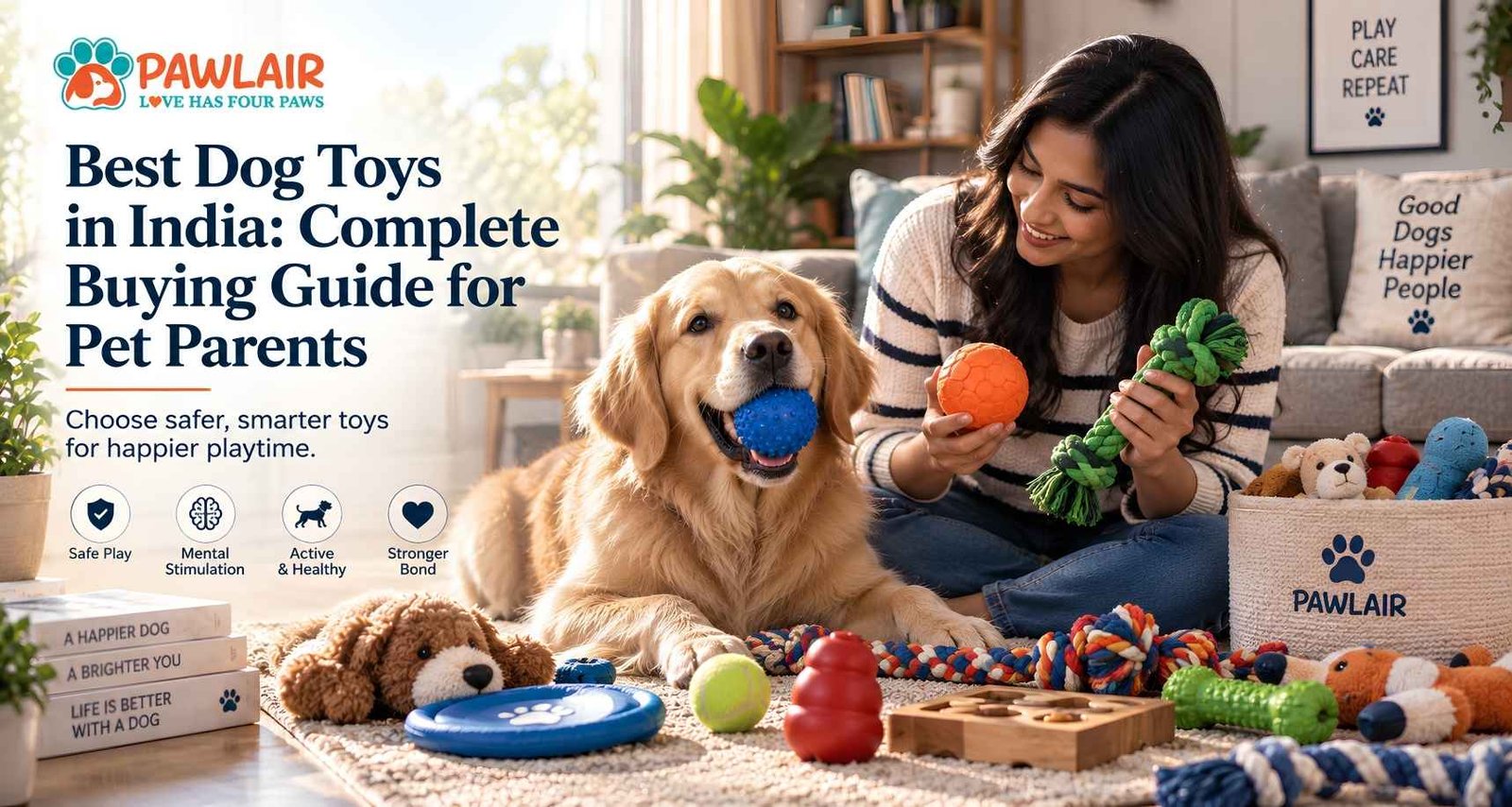
Choosing the best dog toys is about much more than finding something colorful or entertaining. The right toy can provide mental stimulation, encourage healthy movement, support positive behavior, and make everyday interaction more enjoyable. Pet parents should consider their dog’s age, size, chewing habits, energy level, and individual preferences before buying a new toy.
Why Dogs Need Toys
Toys give dogs an appropriate way to play, explore, chew, and use their natural behaviors. Regular play can also help reduce boredom, particularly when dogs spend several hours at home while their owners are working or managing family responsibilities. For young professionals, toys can provide useful enrichment between work commitments, while families can use them for supervised bonding time. Combining interactive toys with pet walking and pet training can create a more balanced daily routine for physical and mental stimulation.
Choose Toys According to Your Dog’s Age
A puppy generally needs toys that are appropriate for developing teeth and learning how to interact with its environment. Soft, durable puppy toys can encourage appropriate chewing while providing an alternative to household objects.
Adult dogs often benefit from a wider variety of toys, including fetch toys, puzzle toys, tug toys, and durable chew options. Senior dogs may prefer softer toys and slower-paced activities, particularly if they have dental, mobility, or other age-related limitations.
Consider Your Dog’s Size
Toy size matters for both enjoyment and safety. A toy that is too small may present a choking or swallowing risk, while an oversized toy may be difficult for a small dog to carry or manipulate comfortably.
When selecting the best dog toys, follow the manufacturer’s size recommendations and consider your dog’s jaw size and playing style. Inspect the toy after purchase and replace it if pieces become loose, damaged, or small enough to be swallowed.
Interactive Toys for Mental Stimulation
Interactive toys encourage dogs to think, investigate, manipulate objects, or work toward a reward. Puzzle feeders, treat-dispensing toys, and problem-solving games can be particularly useful for dogs that become bored easily.
Start with an appropriately simple puzzle and gradually increase the challenge. If the toy is too difficult, your dog may lose interest or become frustrated. Pet training techniques such as praise and rewards can also help dogs learn how to use interactive toys correctly.
Chew Toys for Natural Chewing
Chewing is a normal behavior for many dogs, especially puppies and young dogs. Appropriate chew toys can give dogs a safer outlet for this behavior while reducing the temptation to chew furniture, shoes, or other household items.
However, no chew toy is completely risk-free. Choose products appropriate for your dog’s size and chewing strength, supervise use when necessary, and regularly inspect the toy for cracks, sharp edges, detached parts, or excessive wear.
Puzzle Feeders and Treat Toys
Puzzle feeders can turn mealtime into an enrichment activity by encouraging dogs to work for part of their food. This may help slow down eating and provide mental stimulation for some dogs.
When using treat-dispensing toys, remember to account for the calories in treats or food used inside them. Adjust the dog’s overall daily food intake when appropriate so enrichment does not unintentionally contribute to excessive calorie consumption.
Plush Toys: Fun but Not for Every Dog
Soft plush toys can be enjoyable for gentle players, particularly dogs that like carrying, cuddling, or lightly chewing their toys. However, aggressive chewers may quickly tear them apart and remove stuffing, squeakers, or other components.
If your dog destroys plush toys within minutes, choose a more durable option or use plush toys only during supervised play. Never assume that a toy labeled “durable” will withstand every dog’s individual chewing behavior.
Water Toys for Summer Play
Dogs that enjoy swimming may benefit from floating toys designed specifically for water play. These toys can encourage exercise while providing an enjoyable activity during warmer weather.
Before using a water toy, check whether it is designed to float and whether your dog can safely interact with it. Never rely on a toy as a substitute for supervision around water, particularly for dogs that are inexperienced swimmers.
Rotate Toys Instead of Offering Everything
You do not need to leave every toy available at the same time. Rotating toys can help maintain novelty and prevent your dog from becoming bored with the same objects.
Keep some toys stored safely and introduce a small selection each day or every few days. You can rotate between chew toys, puzzle toys, fetch toys, and interactive options depending on your dog’s schedule and energy level.
Match Toys With Your Dog’s Energy Level
An energetic dog may need toys that encourage movement and problem-solving, while a calmer dog may prefer gentle chewing, carrying, or food-based enrichment. Choosing toys based on personality is often more useful than simply buying the most popular products.
Consider how your dog behaves at home and outdoors. If your dog spends considerable time resting, puzzle toys may provide mental stimulation, while active dogs may benefit from a combination of fetch, tug, and supervised pet walking.
Use Toys as Part of Pet Training
Toys can become valuable tools during pet training. A favorite toy can serve as a reward for appropriate behavior, help teach retrieval, or encourage your dog to focus on you during structured play.
Keep training sessions short and positive. Teach your dog when play starts and ends, and practice commands such as “drop,” “leave it,” and “wait.” This helps create boundaries while keeping the training experience engaging.
Don’t Use Toys as a Replacement for Exercise
Toys are valuable, but they should not replace regular physical activity and social interaction. Dogs still need appropriate exercise based on their age, breed, health, and individual energy level.
Combine indoor play with regular pet walking and other suitable activities. A balanced routine can provide physical exercise, mental stimulation, training opportunities, and quality time with the family.
Where Pawlair Fits Into Your Dog’s Routine
Choosing the best dog toys is one part of responsible ownership. Pawlair can be considered alongside your home routine when planning broader pet-care needs, including professional support related to dog activities and care.
A well-rounded routine can combine appropriate toys, pet walking, pet training, grooming, nutrition, veterinary care, and plenty of positive interaction. The goal is to choose activities and products that suit your dog’s individual needs rather than following trends blindly.
Frequently Asked Questions
1. What are the best dog toys for everyday use?
The best dog toys depend on your dog’s age, size, energy level, chewing strength, and preferences. A practical collection can include an appropriate chew toy, interactive puzzle, fetch toy, and comfortable toy for supervised play.
2. Are interactive dog toys good for mental stimulation?
Yes. Puzzle feeders and treat-dispensing toys can encourage dogs to think, investigate, and work for rewards. Begin with an easy challenge and gradually increase difficulty as your dog learns how the toy works.
3. How often should I replace dog toys?
There is no fixed replacement schedule. Inspect toys regularly and replace them whenever they become cracked, torn, excessively worn, or develop loose parts. Strong chewers may need replacements more frequently than gentle players.
4. Are chew toys safe for puppies?
Appropriately designed puppy chew toys can provide a suitable outlet for normal chewing behavior. Choose products made for puppies and their size, supervise use when appropriate, and replace damaged toys immediately.