Dog Food for Weight Management: How to Feed an Overweight Dog
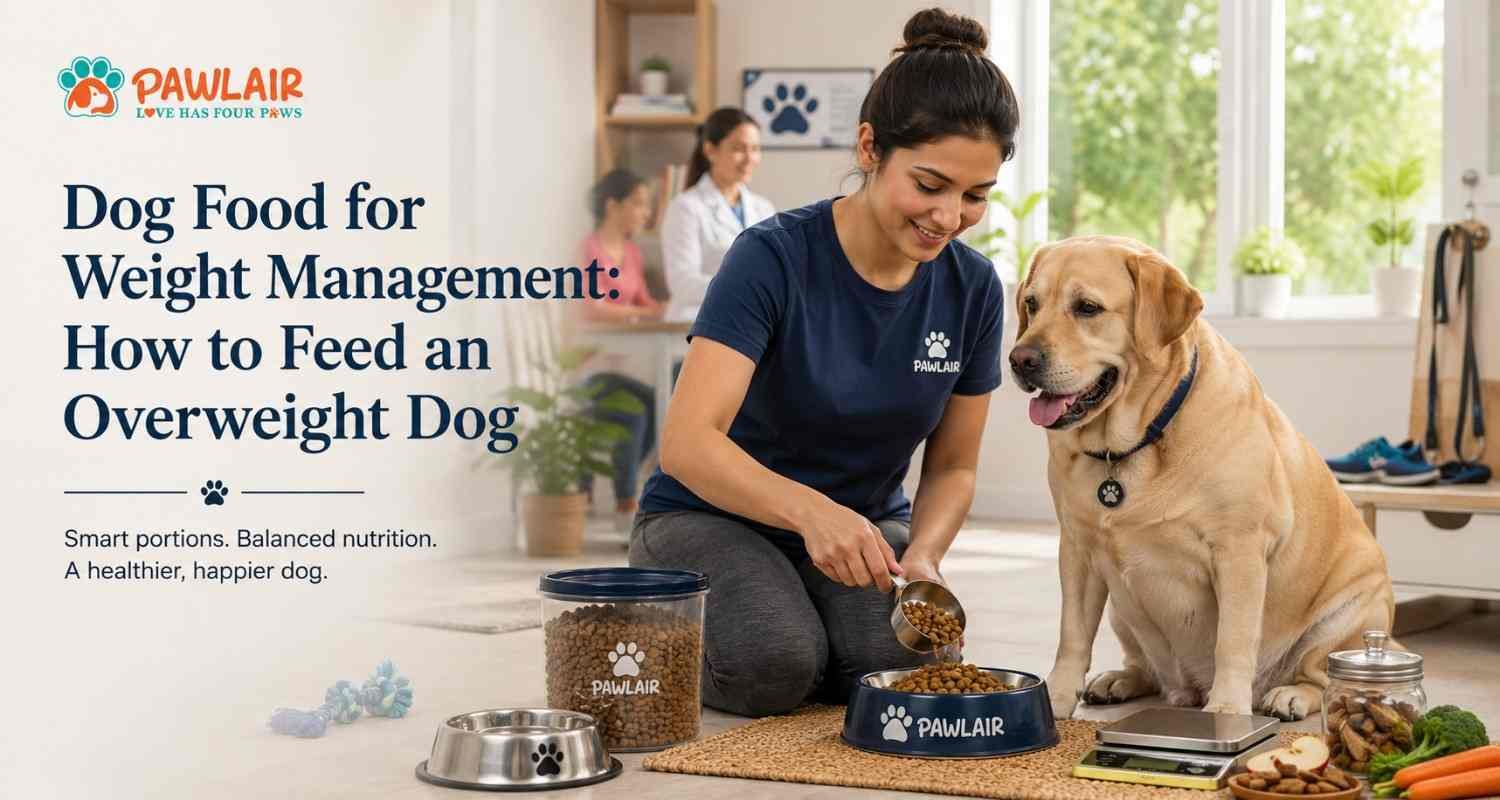
Managing your dog’s weight is an important part of responsible pet care, especially when excess weight begins affecting energy, mobility, and overall quality of life. Choosing suitable dog food for weight loss is only one part of the process; portion control, regular pet walking, appropriate pet training, and guidance from a veterinarian all contribute to a healthier weight-management routine.
Why Healthy Weight Management Matters for Dogs
Extra body weight can place additional stress on a dog’s joints and make everyday activities such as walking, playing, climbing stairs, and grooming more difficult. A healthy weight can support mobility and help your dog stay active, comfortable, and engaged in daily activities.
Before changing your dog’s diet, speak with your veterinarian to determine whether your dog is actually overweight and whether an underlying health issue could be contributing to weight gain. Your veterinarian can assess body condition, recommend an appropriate target weight, and help determine a safe rate of weight loss.
Use Healthy Rewards During Pet Training
Weight management does not mean eliminating rewards completely. Instead, use smaller portions and account for training treats as part of your dog’s daily calorie intake.
You can break larger treats into tiny pieces so your dog receives frequent reinforcement without consuming excessive calories. In some cases, part of the dog’s regular meal can be reserved for pet training instead of adding separate treats. This allows you to reward desired behavior while maintaining better portion control.
Increase Appropriate Pet Walking
Regular pet walking can support weight management by increasing physical activity and providing mental stimulation. However, exercise should be introduced gradually, particularly if your dog is significantly overweight, elderly, or not accustomed to regular activity.
Start with manageable walks and gradually increase duration according to your dog’s fitness level and veterinary recommendations. Watch for excessive panting, limping, reluctance to continue, or unusual fatigue. If these signs appear, stop and consult a veterinarian before increasing activity further.
Read Dog Food Labels
When comparing Dog Foods, learn how to interpret the nutritional information rather than focusing only on words such as “light,” “healthy,” or “natural.” Check the calorie content and feeding instructions, and compare products based on the amount of food your dog actually needs.
Remember that calorie density varies between foods, so the same volume of two different products may provide different amounts of energy. Follow the feeding guidance provided by your veterinarian and adjust the plan based on your dog’s progress.
Monitor Your Dog’s Weight Regularly
Weight management works best when progress is measured rather than guessed. Weigh your dog at regular intervals using a reliable scale or have their weight checked at a veterinary clinic.
Keep a simple record of weight, daily food portions, treats, activity levels, and notable changes. If your dog is not losing weight despite consistent portion control and exercise, speak with your veterinarian rather than continuing to reduce food independently.
Be Careful With Rapid Weight Loss
Rapidly reducing your dog’s food intake can create nutritional problems and may not be appropriate for every dog. Weight loss should generally be gradual and supervised, particularly for dogs with other health concerns.
Your veterinarian can recommend a calorie target and suitable feeding strategy based on your dog’s condition. Follow professional guidance rather than using human dieting methods or severely restricting meals.
Consider Age, Breed, and Activity Level
A young, active dog generally has different nutritional requirements from a senior dog with a sedentary lifestyle. Breed size, metabolism, reproductive status, health conditions, and daily activity can also influence calorie requirements.
For this reason, there is no universal dog food for weight loss formula that is ideal for every dog. The best diet is one that provides appropriate nutrition while helping your individual dog achieve and maintain a healthy body condition.
How Grooming Can Support Weight Management
Regular Pet Grooming is not a weight-loss treatment, but grooming provides useful opportunities to monitor your dog’s physical condition. Brushing, bathing, nail care, and coat maintenance allow you to notice changes in body shape, mobility, skin condition, or comfort.
For dogs with thick coats, regular Pet Grooming can also make it easier to visually assess changes in body condition. If you use Pawlair for grooming or other pet care services, share relevant information about your dog’s routine and any mobility concerns with the service provider.
Use Professional Pet Care When Needed
Busy pet parents may find it difficult to maintain regular exercise and grooming routines alongside work and family responsibilities. Professional services can provide additional support, depending on your dog’s needs.
Services such as Pawlair may complement your routine through available pet walking, Pet Grooming, or other pet-care services. Before using any provider, confirm their experience, safety procedures, service schedule, and ability to accommodate an overweight dog’s individual exercise and handling needs.
Create a Practical Weight-Management Routine
Start by scheduling a veterinary assessment, determining your dog’s target weight, measuring meals accurately, limiting treats, and establishing consistent pet walking. Keep a record of food intake and weight changes, and adjust the plan only when appropriate.
Use pet training to reinforce healthy behaviors and replace excessive treats with attention, play, or small food rewards. Maintain regular Pet Grooming and routine monitoring so you can notice changes in comfort and body condition.