Best Dog Grooming Kits in India: What Should a Kit Include
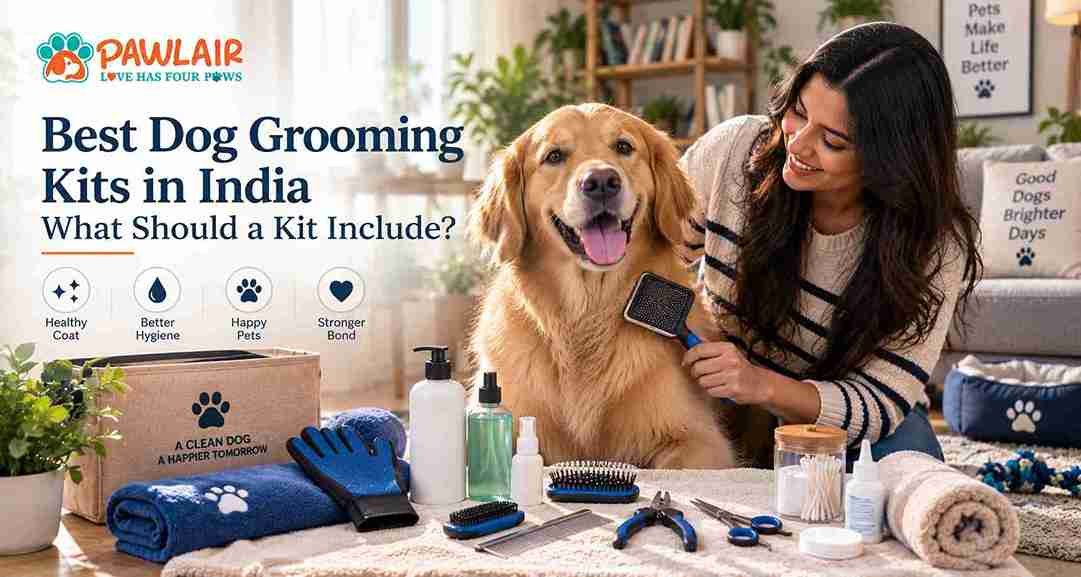
A good grooming routine helps keep your dog’s coat clean, manageable, and comfortable while giving you an opportunity to notice changes in the skin, paws, ears, and nails. Choosing the best dog grooming kit means selecting useful, dog-safe tools that match your pet’s coat type, size, grooming needs, and your experience level.
Why Every Pet Parent Needs a Grooming Kit
Regular grooming is an important part of everyday pet care, not just a way to make your dog look neat. Brushing can remove loose hair and dirt, while routine nail, ear, and coat checks can help you notice problems that may need professional attention.
A complete grooming set for dogs can also make home maintenance easier for busy young professionals, parents, and couples. Keeping essential tools together means you can follow a consistent routine without purchasing a new product every time your dog needs basic grooming.
Start With the Right Dog Brush
A brush is usually the most frequently used item in a home grooming kit. The right type depends on your dog’s coat, because short, long, curly, wiry, and double coats require different grooming approaches.
A slicker brush can help with loose hair and minor tangles on suitable coats, while an undercoat rake may be useful for some double-coated breeds. A bristle brush or grooming comb may be more appropriate for other coat types. Choose based on your individual dog rather than buying the largest kit available.
Choose Dog-Safe Shampoo
A grooming kit should include a shampoo specifically formulated for dogs. Human shampoos are not automatically suitable because canine skin has different characteristics and may react poorly to inappropriate products.
Choose a product based on your dog’s coat and skin needs, and follow the label instructions for dilution and frequency. Avoid bathing too frequently simply because your dog smells slightly dirty. For persistent odor, itching, redness, or skin changes, veterinary advice is more appropriate.
Nail Clippers or a Nail Grinder
Nail care should be part of your grooming checklist. Overgrown nails can become uncomfortable and may interfere with normal movement, so regular inspection is important.
A suitable dog nail clipper or grinder can be included in a best dog grooming kit, but owners should learn how to use it safely. If your dog strongly resists nail handling, becomes frightened, or has dark nails that make trimming difficult to judge, professional assistance can reduce the risk of injury.
Dog-Safe Ear Cleaning Supplies
Some dogs need routine ear cleaning, while others require very little intervention. Your dog’s ear shape, lifestyle, and individual health can influence how frequently cleaning is appropriate.
If your veterinarian recommends ear cleaning, use a product designed for dogs and follow the recommended technique. Do not insert cotton swabs or other objects deep into the ear canal. Strong odor, redness, swelling, discharge, or persistent scratching should be assessed by a veterinary professional.
Include Dental Care Products
A complete home grooming routine should not ignore oral hygiene. A dog-specific toothbrush and toothpaste can be useful additions to your grooming supplies when introduced gradually.
Never use human toothpaste unless specifically directed by a veterinary professional. Begin with short sessions so your dog becomes comfortable with handling around the mouth. Consistent dental care can become easier when it is introduced alongside other calm grooming activities.
Keep Absorbent Grooming Towels
Good-quality towels are simple but essential grooming supplies. Keep separate, clean towels available for drying your dog after a bath, cleaning wet paws, or dealing with rain and muddy outdoor activities.
Pat the coat gently rather than rubbing sensitive areas aggressively. Dogs with dense or long coats may require additional drying time. Make sure your dog is comfortably dry before allowing it to remain in a cold or damp environment.
Consider a Pet Grooming Dryer
A pet-specific dryer can be useful for dogs with thick or long coats, but it is not essential for every household. If you use one, introduce the sound gradually and start with gentle airflow at a comfortable temperature.
Never direct hot air at one area of your dog’s skin for an extended period. Monitor body language carefully and stop if your dog becomes frightened or distressed. Safe pet grooming should always prioritize comfort over speed.
Add Grooming Wipes for Quick Maintenance
Dog-safe grooming wipes can be useful between full baths. They may help clean muddy paws or small dirty areas after outdoor activities without requiring a complete bathing session.
Wipes should complement regular brushing and bathing rather than replace them. Select products specifically intended for dogs and avoid using household cleaning wipes or products containing ingredients that could irritate canine skin.
Detangling Spray for Long-Haired Dogs
Dogs with long, curly, or easily tangled coats may benefit from a suitable detangling product. A dog-safe spray can make minor knots easier to manage and may reduce the need to pull aggressively with a brush or comb.
Apply the product according to its instructions and work through tangles patiently. Never use force on tightly packed mats. Severe matting can cause discomfort and may require professional pet grooming rather than home treatment.
Choose Tools According to Your Dog’s Breed
Breed characteristics can influence grooming requirements, but individual dogs can still have different coat textures and sensitivities. A dog with a dense double coat may need different tools from a dog with short, smooth fur.
Before buying a grooming set for dogs, identify your dog’s coat type and expected maintenance needs. This prevents unnecessary purchases and helps you build a smaller, more useful kit containing tools you will actually use.
Grooming Your Puppy Requires Extra Care
Puppies need gentle introductions to grooming equipment. Instead of waiting until a full bath or nail trim is necessary, allow your puppy to see, sniff, and calmly interact with brushes and other tools.
Positive pet training can make this process easier. Reward your puppy for remaining calm while you briefly touch its paws, ears, coat, and face. Gradually increase handling time so grooming becomes a familiar and predictable experience.
Make Grooming a Positive Experience
Some dogs enjoy grooming, while others become nervous around brushes, clippers, dryers, or nail equipment. Avoid forcing a long session when your dog is frightened, because negative experiences can make future grooming more difficult.
Use short sessions, calm handling, praise, and appropriate rewards. Combining pet training with regular grooming can help your dog develop better tolerance for handling while strengthening trust between you and your pet.
When Professional Grooming Is Better
Home grooming is excellent for regular maintenance, but professional care can be valuable for difficult coats, severe matting, complicated trimming, anxious dogs, or grooming tasks that you are not confident performing safely.
Pawlair can be considered as part of your broader pet-care routine when professional pet grooming support is needed. Regular professional grooming can complement home brushing and basic maintenance rather than replacing everyday care.
Build a Practical Grooming Schedule
Create a simple weekly checklist based on your dog’s individual needs. Brushing may be required several times a week for some coats, while nail checks, ear observation, dental care, and bathing can follow different schedules.
Busy families can divide responsibilities to keep grooming consistent. One person can handle brushing, another can check nails, while supervised pet training helps the dog remain comfortable during handling. Consistency is more valuable than attempting an exhausting grooming session occasionally.
Frequently Asked Questions
1. What should a basic dog grooming kit include?
A basic kit can include a suitable brush, grooming comb, dog-specific shampoo, absorbent towels, nail clippers or a grinder, and dog-safe dental-care products. Additional items should depend on your dog’s coat type and individual grooming requirements.
2. How do I choose the best dog grooming kit for my breed?
Start by identifying your dog’s coat type, length, density, and grooming requirements. Long or curly coats may need more specialized tools, while short-haired dogs can often use a simpler kit. Choose tools based on your dog’s actual needs rather than the number of accessories included.
3. Can I groom my dog completely at home?
Many routine grooming tasks can be performed at home, including brushing, basic bathing, nail checks, and dental care. However, severe matting, complicated trimming, or difficult handling may be better managed by a professional groomer.
4. How can I make grooming easier for my puppy?
Introduce grooming tools gradually and keep early sessions very short. Let your puppy sniff the equipment and reward calm behavior. Positive pet training can help your puppy associate brushing, paw handling, and other grooming activities with positive experiences.
5. How often should I use a dog grooming kit?
The schedule depends on your dog’s coat, lifestyle, and individual needs. Some dogs need frequent brushing, while others require less maintenance. Check the coat regularly and establish a consistent pet care routine rather than following a single schedule for every breed.