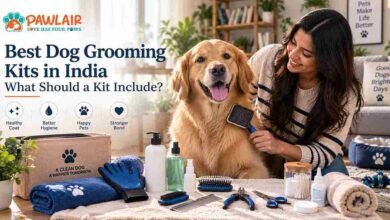
Choosing the best dog brush depends on your dog’s coat type, length, thickness, and grooming needs. The right brush can help remove loose hair, reduce tangles, distribute natural oils, and keep the coat comfortable. Understanding the difference between brush types makes pet grooming easier and more effective.
Why Choosing the Right Dog Brush Matters
Different coats require different grooming tools. A short-haired dog may need a simple rubber brush, while a long-haired or curly-coated dog may require a slicker brush and comb to manage tangles and mats.
Using the wrong brush can cause discomfort or fail to remove loose hair effectively. Make grooming part of your regular pet care routine and choose a tool that matches your dog’s coat rather than selecting a brush based only on appearance or popularity.
Best Brushes for Short-Haired Dogs
Short-haired dogs generally benefit from brushes that remove loose hair without unnecessarily irritating the skin. Rubber grooming brushes, bristle brushes, and grooming mitts can be useful for removing surface hair and distributing natural oils.
Brush gently in the direction of hair growth and pay attention to areas where loose hair commonly collects. Regular brushing can reduce the amount of fur transferred to furniture and bedding while giving you an opportunity to check your dog’s skin for unusual changes.
Best Brushes for Long-Haired Dogs
Long-haired dogs require more consistent grooming because their coats are more likely to develop tangles and mats. A slicker brush can help separate loose hairs and work through smaller tangles when used carefully.
For a best dog brush setup, consider pairing a slicker brush with a metal comb. Brush in manageable sections instead of repeatedly pulling through the entire coat at once. Start near the ends of longer hair and gradually work toward the roots to reduce uncomfortable pulling.
Best Brushes for Curly and Wavy Coats
Curly and wavy coats can trap loose hair and become tangled quickly. Breeds with these coat types often benefit from regular brushing with an appropriate slicker brush followed by a comb to check whether tangles remain close to the skin.
Avoid aggressively brushing through tight mats because pulling can hurt your dog and potentially damage the skin. If a mat is difficult to remove safely, professional grooming may be a better option than repeatedly attempting to force a brush through it.
How Often Should You Brush Your Dog?
Brushing frequency depends on coat type, length, shedding, lifestyle, and individual grooming needs. Short-haired dogs may need less frequent brushing, while long or curly coats may require grooming several times each week or even daily maintenance.
Create a realistic schedule that fits your dog’s coat and your routine. Consistency is more useful than occasional intensive grooming. Regular brushing also helps your dog become familiar with handling, which can make future pet grooming sessions easier.
How to Brush a Dog Correctly
Start grooming when your dog is calm and choose a comfortable location. Let your dog sniff the brush before touching the coat, then begin with gentle strokes in an area where your dog is comfortable. Work through the coat in sections and check sensitive areas such as behind the ears, under the legs, around the collar area, and near the tail. Give your dog short breaks when necessary and use positive reinforcement to create a calm grooming experience.
Brush According to Hair Growth
For routine grooming, brushing generally works best when you follow the direction and structure of the coat rather than repeatedly working against it. This can make the experience more comfortable and help avoid unnecessary pulling. When dealing with a dense coat, separate the hair into smaller sections. Take your time instead of increasing pressure when the brush encounters resistance. If you cannot work through a tangled area without causing discomfort, seek professional assistance.
Check Your Dog’s Skin During Brushing
Regular brushing provides a useful opportunity to inspect the skin and coat. Look for unusual redness, swelling, parasites, wounds, bald patches, excessive dandruff, or areas that your dog repeatedly scratches or licks.
Brushing itself is not a treatment for skin disease. If you notice persistent or concerning changes, stop aggressive grooming of the affected area and consult a veterinarian. Early attention can prevent a minor issue from becoming more complicated.
Keep Grooming Tools Clean
Cleaning your brush is an important part of pet care. Hair, dirt, skin flakes, and grooming products can accumulate between bristles and pins over time. Remove trapped hair after each session when possible and clean the brush according to the manufacturer’s instructions. Allow grooming tools to dry properly before storing them. A clean brush provides a more hygienic grooming experience for your dog.
How Pawlair Fits Into Your Dog’s Grooming Routine
Pawlair can be part of a broader approach to responsible pet care, where grooming is combined with exercise, nutrition, enrichment, and positive pet training. Selecting the right brush makes home maintenance easier, but professional grooming can be useful when a dog’s coat requires specialized care.
Create a grooming checklist based on your dog’s coat type. Record brushing frequency, bathing dates, nail care, and any skin or coat changes you notice. This simple routine can help you stay consistent and identify changes that may need professional attention.
Common Dog-Brushing Mistakes to Avoid
Avoid brushing aggressively, using excessive pressure, or continuing when your dog is showing clear signs of discomfort. Do not use human hairbrushes simply because they look similar to pet grooming tools, as they may not be designed for a dog’s coat and skin.
Another mistake is waiting until a coat is heavily tangled before grooming. Regular maintenance is generally easier and more comfortable than attempting to remove extensive mats in one session. Choose the correct brush and keep sessions consistent.
5 FAQs About Choosing a Dog Brush
1. What is the best dog brush for everyday grooming?
The best dog brush depends on your dog’s coat type. Rubber brushes or bristle brushes can work well for many short coats, while slicker brushes and combs are often more useful for long, curly, or dense coats.
2. How often should I brush my dog?
Brushing frequency depends on coat length, thickness, shedding, and grooming requirements. Short-coated dogs may need less frequent brushing, while long or curly-coated dogs may require several sessions per week or daily maintenance.
3. Can brushing remove all mats?
No. Light tangles may be manageable with an appropriate brush and comb, but tight mats can be painful to remove. Avoid pulling aggressively or cutting mats close to the skin without proper experience. Professional pet grooming may be safer for severe matting.
4. How can I teach my dog to enjoy brushing?
Introduce the brush gradually, allow your dog to investigate it, and reward calm behavior. Keep early sessions short and use positive pet training techniques. Increasing grooming time gradually can help your dog become more comfortable with regular handling.
5. Can brushing improve my dog’s overall coat health?
Regular brushing can help remove loose hair, dirt, and debris while distributing natural oils through the coat. It also supports routine pet care by giving you opportunities to notice changes in the skin or coat that may require veterinary attention.