The Quietest Smart Pet Air Purifiers and Odor Eliminators for Multi-Dog Homes
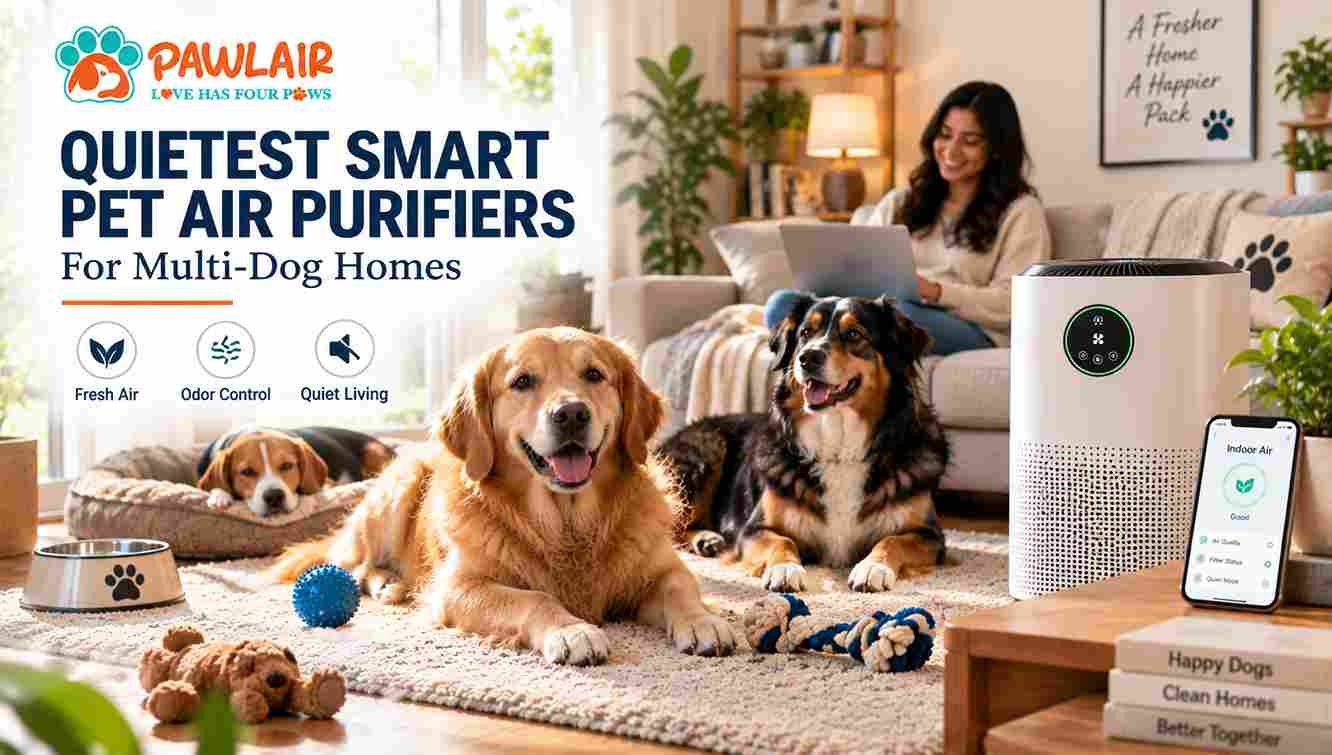
Living with multiple dogs can bring companionship, fun, and plenty of fur, dander, and household odors. A smart air purifier can help improve indoor air quality by filtering airborne particles, while a dedicated odor-control system can target unwanted smells. Choosing the right Best pet hair air purifier means considering filtration, room coverage, noise, maintenance, and your dogs’ daily routine.
Why Multi-Dog Homes Need Better Air Filtration
More dogs generally mean more fur, dander, dust, and particles entering the home’s indoor environment. Regular vacuuming and cleaning remain essential, but airborne particles can continue circulating between cleaning sessions.
A suitable air purifier can complement everyday pet care by continuously filtering air in frequently used rooms. However, it should not be considered a replacement for cleaning, ventilation, veterinary care, or regular grooming. The most effective approach combines filtration with good household hygiene.
What Makes the Best Pet Hair Air Purifier?
The Best pet hair air purifier should have filtration designed to capture airborne particles and a pre-filter that can handle larger debris such as pet hair. A washable or replaceable pre-filter can be especially useful in multi-dog homes because it may collect significant amounts of fur before the air reaches the finer filtration stages.
Look for clearly stated room coverage, filter replacement information, airflow settings, and noise levels. Smart features such as air-quality sensors, automatic modes, scheduling, and app controls can make the purifier easier to operate consistently.
HEPA Filtration for Pet Dander
HEPA filtration is commonly used in air purifiers designed to capture fine airborne particles. This can be useful for households dealing with pet dander and other small particles that are difficult to remove with ordinary dusting alone.
Remember that air purification only addresses particles suspended in the air. Hair sitting on carpets, sofas, bedding, and floors still needs to be physically removed. Combine the purifier with regular vacuuming and cleaning for a more comprehensive approach to household pet care.
Activated Carbon for Dog Odors
A dog odor eliminator machine should ideally use an odor-control technology such as activated carbon alongside particle filtration. Carbon can help adsorb certain odor-causing compounds, while particle filters address airborne particulate matter.
Not every purifier has the same amount or quality of carbon, so check the specifications rather than assuming that every “pet” model provides strong odor control. For persistent smells, identify and clean the source rather than relying exclusively on an air purifier.
Why Quiet Operation Matters
Noise is especially important when an air purifier will operate throughout the day or night. A loud fan can become irritating to household members and may make some dogs uncomfortable with continuous operation.
When comparing a dog odor eliminator machine, look for published noise information and a dedicated sleep or low-speed mode. If possible, introduce the purifier while it is running at a low setting so your dogs can become accustomed to the sound gradually.
Smart Sensors and Automatic Modes
Smart air purifiers can monitor indoor air conditions and automatically adjust fan speed depending on detected particle levels. This can reduce the need to manually change settings throughout the day.
For a multi-dog household, automatic operation can be useful after activities that increase airborne particles, such as brushing, playing, cleaning, or vacuuming. Check whether the purifier’s app provides useful information about filter life, air quality, scheduling, and operating status.
Maintain Your Dogs’ Bedding and Resting Areas
Dogs spend many hours on beds, blankets, rugs, and furniture. These surfaces can collect hair, dander, dirt, and odors over time.
Wash removable bedding according to the manufacturer’s instructions and vacuum areas that cannot be washed easily. Keeping sleeping areas clean can reduce the workload placed on your Best pet hair air purifier and create a more comfortable environment for both pets and people.
Pet Training Can Help With Indoor Cleanliness
Good pet training can support a cleaner home by teaching dogs consistent behaviors around sleeping areas, feeding spaces, doors, and designated bathroom locations. Training does not eliminate normal shedding or odors, but it can make household routines easier to manage.
For example, teaching dogs to remain calmly in designated areas during grooming or cleaning can make routine maintenance less stressful. Positive reinforcement is generally more useful than punishment when establishing new household behaviors.
Avoid Strong Fragrances Around Dogs
It can be tempting to mask dog odors with heavily scented sprays, candles, or other fragrance products. However, masking an odor does not remove its source, and strong fragrances may not be appropriate for every household or pet.
Prioritize ventilation, cleaning, grooming, filtration, and source control. If you use any household cleaning or fragrance product, follow its safety instructions and keep products away from dogs.
Where Should You Place the Air Purifier?
Position the purifier where your dogs and family spend significant time, while keeping the air intake and outlet unobstructed. Avoid placing it directly behind furniture, curtains, or other objects that can restrict airflow.
A living room may be a practical location for households where dogs spend most of their time there. If odor or dander is particularly noticeable in another room, consider whether a second appropriately sized unit would be more effective than relying on one purifier placed far away.
How Pawlair Fits Into a Cleaner Pet Home
Pawlair can be part of a broader approach to responsible pet care, where air quality is combined with grooming, training, exercise, cleaning, and healthy daily routines. An air purifier is useful equipment, but it works best as one component of a complete household pet-care strategy.
Build a simple routine that includes regular pet grooming, washing bedding, vacuuming floors and furniture, cleaning feeding areas, maintaining ventilation, and checking air-purifier filters. Consistency is more useful than waiting until pet hair and odors become overwhelming.
Common Mistakes to Avoid
Do not choose a purifier based only on its appearance or the word “pet” in the product name. Check the filtration system, room coverage, noise specifications, replacement-filter cost, maintenance requirements, and odor-control features.
Avoid placing the purifier where airflow is blocked or expecting one small device to handle an entire large home. Also remember that an air purifier cannot remove hair that has already settled on carpets and furniture, so regular physical cleaning remains necessary.
5 FAQs About Pet Air Purifiers and Odor Eliminators
1. What is the best pet hair air purifier for a multi-dog home?
The Best pet hair air purifier depends on room size, number of dogs, shedding levels, filtration technology, noise requirements, and maintenance preferences. Look for effective particle filtration, a useful pre-filter, suitable room coverage, and manageable replacement-filter costs.
2. Can a dog odor eliminator machine remove all dog smells?
A dog odor eliminator machine can help reduce certain airborne odors, particularly when it combines particle filtration with appropriate odor-control media such as activated carbon. However, persistent smells should be addressed at their source through cleaning, grooming, and proper household hygiene.
3. Should I leave an air purifier running all day?
Many air purifiers are designed for extended operation, but follow the manufacturer’s instructions. A low or automatic setting can provide continuous filtration while potentially reducing noise and energy use compared with operating constantly at maximum speed.
4. How often should I clean a pet air purifier?
Check the pre-filter regularly and follow the manufacturer’s cleaning and filter-replacement instructions. Homes with multiple dogs may require more frequent maintenance because greater amounts of hair and dust can accumulate inside the filtration system.
5. Can air purifiers replace regular dog grooming?
No. Pet grooming helps remove loose hair and maintain coat cleanliness before debris spreads throughout the home. Air purification complements grooming by addressing airborne particles, while vacuuming and surface cleaning remove material that has already settled.