Best Dog Food for Puppies: A Complete Feeding Guide
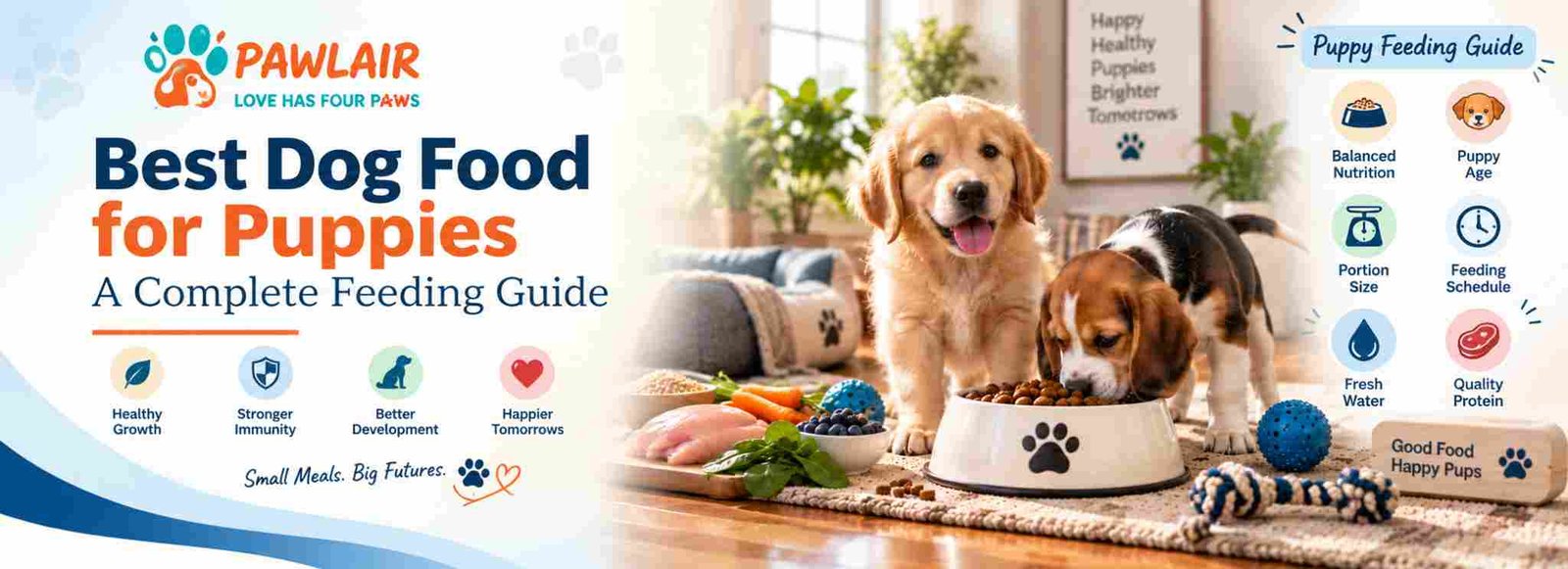
Puppies need balanced nutrition to support rapid growth, developing bones, muscles, immunity, and healthy brain function. Choosing the best puppy food is not simply about selecting the most expensive product. Pet parents should consider age, expected adult size, ingredients, feeding instructions, calorie needs, and the puppy’s individual health requirements.
Why Puppy Nutrition Matters
The puppy stage involves significant physical and behavioral development, so nutritional needs differ from those of adult dogs. Puppies generally need food formulated specifically for growth rather than an ordinary adult-maintenance diet.
A good healthy puppy food should provide appropriate amounts of protein, fat, vitamins, minerals, and calories for the puppy’s life stage. Overfeeding can be just as problematic as underfeeding, particularly in puppies expected to become large adults.
How to Choose the Best Puppy Food
When comparing the best puppy food, start by checking whether the product is formulated for puppies or growth and whether it is appropriate for your puppy’s expected adult size. Large-breed puppies can have different nutritional considerations from small-breed puppies.
Read the feeding guide on the package and use your puppy’s current weight and age as starting points. Feeding recommendations are not identical for every puppy, so monitor body condition and discuss adjustments with your veterinarian when necessary.
Look for a Complete and Balanced Formula
A puppy’s primary diet should provide complete and balanced nutrition appropriate for growth. Rather than focusing on one fashionable ingredient, examine the overall nutritional formulation and whether the food is intended to meet recognized nutritional standards.
Ingredients can provide useful information, but an ingredient list alone does not tell you whether a food is nutritionally appropriate. Look at the product’s nutritional adequacy statement, intended life stage, feeding instructions, and manufacturer’s information.
Protein for Growing Puppies
Protein supplies amino acids needed for developing muscles and maintaining normal body tissues. Puppies are growing rapidly, so an appropriate source and amount of dietary protein is an important part of their overall nutrition.
However, choosing puppy food based only on the highest protein percentage is unnecessary. The complete nutrient profile matters more than one number on the package. If your puppy has a medical or dietary condition, ask a veterinarian before making significant dietary changes.
Healthy Fats and Essential Nutrients
Dietary fats provide concentrated energy and supply essential fatty acids. Appropriate fats can support normal development and help provide the energy puppies need for their active lifestyles.
Puppy foods may also contain nutrients associated with brain, eye, bone, and immune development. Instead of adding separate supplements automatically, first determine whether the puppy food already provides the nutrients your dog needs.
Large-Breed Puppy Food
Large-breed puppies require particular attention to growth and mineral intake because excessive growth can place additional stress on developing bones and joints. Feeding a specially formulated large-breed puppy diet may therefore be appropriate for puppies expected to reach a substantial adult size.
Avoid trying to accelerate growth by providing extra food or supplements. Follow the manufacturer’s feeding guidance and monitor your puppy’s body condition. Your veterinarian can help determine whether your puppy is growing at an appropriate rate.
Small-Breed Puppy Food
Small and toy-breed puppies have different nutritional and practical requirements. Their smaller mouths may benefit from appropriately sized kibble, while their higher energy needs relative to body size can make feeding schedules particularly important.
Use a food formulated for the appropriate size and life stage when possible. Divide the daily amount according to the feeding instructions and monitor your puppy’s weight and body condition rather than continuously increasing portions because the puppy appears hungry.
How Often Should Puppies Eat?
Young puppies typically need multiple meals throughout the day because their stomachs are small and their nutritional needs are high. As puppies mature, the number of daily meals can usually be adjusted according to age, size, food type, and veterinary guidance.
Create a consistent feeding schedule and measure portions rather than estimating them by eye. Consistent meal times can also support house-training and make it easier to monitor appetite and digestion.
How Much Should You Feed a Puppy?
There is no single feeding amount that works for every puppy. Follow the food manufacturer’s recommendations based on your puppy’s weight and age, then monitor body condition and growth.
Use a measuring cup or kitchen scale for greater consistency, particularly with calorie-dense food. Treats should also be included in the overall daily calorie intake. If your puppy is gaining weight too quickly or appears underweight, consult your veterinarian before making major changes.
Puppy Food and Pet Care
Nutrition is only one component of responsible pet care. Puppies also need appropriate veterinary care, vaccination according to veterinary recommendations, parasite prevention, exercise, rest, socialization, and a safe home environment.
Create a simple daily routine around meals, toilet breaks, play, sleep, training, and grooming. Predictable routines can help young dogs adjust to household life while making it easier for pet parents to identify changes in appetite, energy, or behavior.
Grooming and Puppy Nutrition
Regular pet grooming should be introduced gradually, so puppies learn that brushing, nail handling, bathing, and other routine care are normal parts of life. A clean coat does not come from nutrition alone; grooming and appropriate hygiene remain important.
Use grooming sessions as opportunities for positive reinforcement. Keep early sessions short and reward calm behavior. This can help puppies become more comfortable with handling as they grow into adult dogs.
How Pawlair Fits Into a Puppy Routine
Pawlair can be part of a broader puppy-care approach that combines nutrition with grooming, training, exercise, and everyday routines. Choosing healthy puppy food is an important foundation, but puppies also need appropriate behavioral guidance and consistent care as they develop.
Pet parents can keep a simple record of meals, weight, vaccinations, veterinary visits, training progress, and grooming. This information can be useful when discussing your puppy’s development and nutritional needs with a veterinary professional.
Common Puppy Feeding Mistakes to Avoid
Avoid frequently changing foods simply because your puppy seems interested in another flavor. Sudden changes can cause digestive problems and make it difficult to identify which food works well for your puppy.
Do not rely entirely on treats, table scraps, homemade additions, or supplements to improve a commercial puppy diet without professional guidance. Human foods can contribute excess calories, and some foods are unsafe for dogs. Keep your puppy’s primary nutrition consistent and appropriate for growth.
When Should You Talk to a Veterinarian?
Speak with a veterinarian if your puppy has persistent digestive problems, poor appetite, unusual weight gain or loss, difficulty chewing, repeated vomiting, diarrhea, or changes in energy. Puppies can become unwell quickly, so ongoing symptoms should not be managed solely through food changes.
Veterinary guidance is also valuable when choosing nutrition for puppies with allergies, digestive sensitivities, growth concerns, or other specific dietary requirements. Individualized advice is more reliable than selecting food solely from online recommendations or product popularity.
FAQs About Puppy Food
1. What is the best puppy food for a growing dog?
The best puppy food is one formulated to provide complete and balanced nutrition for growth and appropriate for your puppy’s size and life stage. Compare the nutritional adequacy statement, feeding instructions, ingredients, and manufacturer’s information rather than choosing based only on advertising.
2. How many times a day should I feed my puppy?
The appropriate number of meals depends on your puppy’s age, size, breed, diet, and individual needs. Younger puppies generally require more frequent meals than older puppies. Follow feeding guidance and discuss a suitable schedule with your veterinarian.
3. Is wet or dry food better for puppies?
Both wet and dry foods can be appropriate when they provide complete and balanced nutrition for growth. Your choice can depend on your puppy’s preferences, feeding routine, dental considerations, storage requirements, and overall diet.
4. Can I give supplements to my puppy?
Do not add supplements automatically. A properly formulated puppy diet should provide the nutrients required for growth, and unnecessary supplementation can create nutritional imbalances. Consult your veterinarian before adding vitamins, minerals, oils, or other supplements.
5. Can puppy food be used during pet training?
Yes. A portion of your puppy’s regular food can sometimes be used as a training reward, helping manage additional calories. Positive pet training combined with appropriate nutrition, regular pet grooming, and consistent pet care can support healthy development.