Best AI Smart Dog Collars for Health Tracking and Escape Prevention
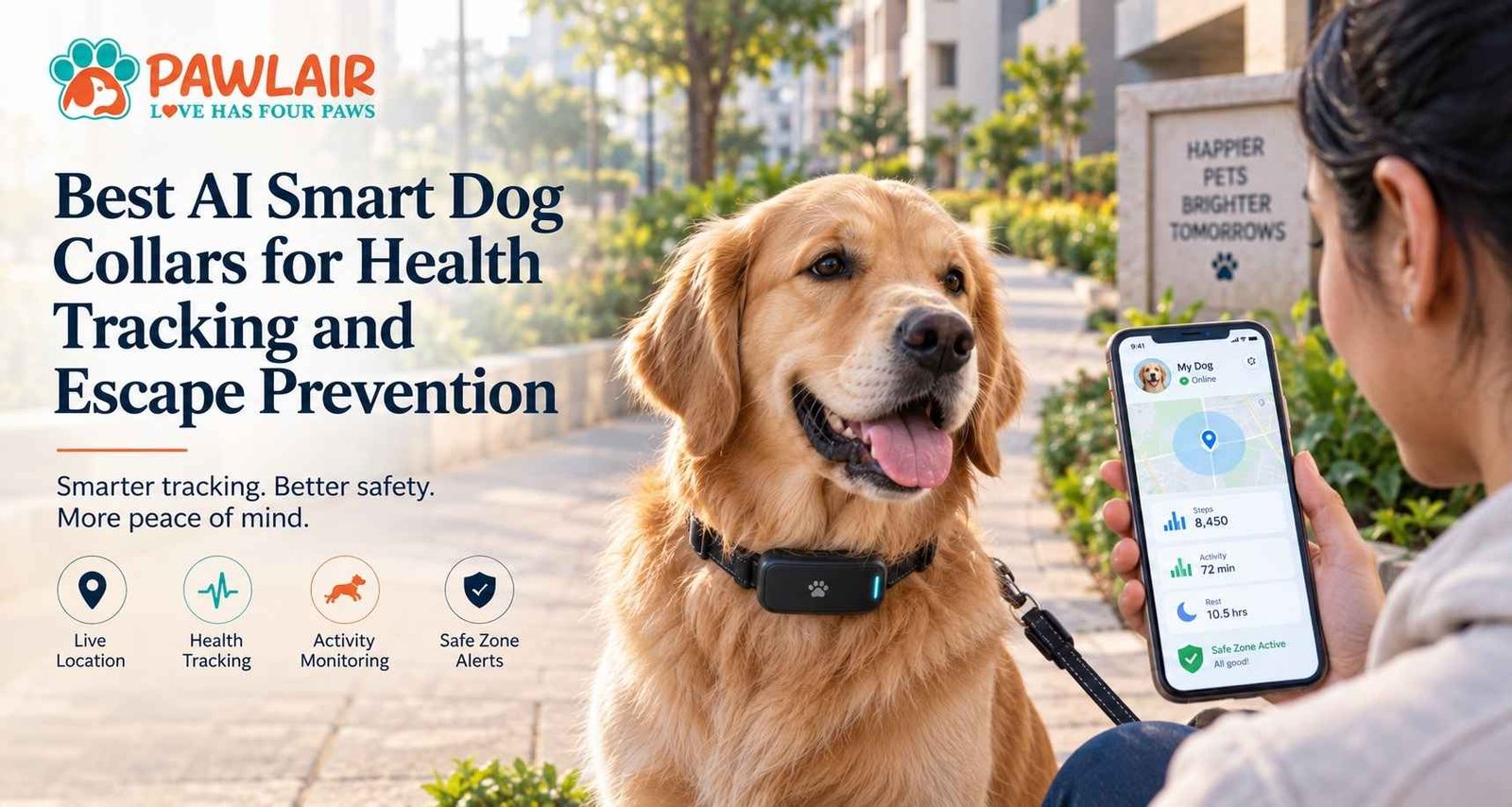
Modern technology is changing the way pet parents monitor their dogs. Smart collars can combine location tracking, activity monitoring, sleep information, and safety alerts in a single wearable device. The Best AI smart dog collar can provide useful insights into your dog’s daily routine while helping you locate them if they escape during pet walking, travel, or outdoor play.
What Is an AI Smart Dog Collar?
An AI smart dog collar is a wearable device designed to collect information about a dog’s location, activity, behavior, or selected health indicators. Depending on the model, the collar may use GPS, cellular connectivity, sensors, and software to identify patterns and provide alerts through a smartphone application.
Not every smart collar offers the same features. Some products are primarily a GPS dog tracker, while others focus more heavily on health and wellness monitoring. Before buying, identify whether your main priority is escape prevention, activity tracking, health insights, or a combination of these features.
Why Health Tracking Can Be Useful
Dogs cannot explain when they are feeling uncomfortable, tired, stressed, or unwell. A wearable can help owners observe changes in measurable behaviors such as activity, sleep, movement, or other available health indicators.
A track dog health wearable should be viewed as an additional source of information rather than a diagnostic device. If an app identifies an unusual pattern, observe your dog carefully and consult a veterinarian when appropriate instead of attempting to diagnose a medical condition from wearable data alone.
GPS Tracking for Escape Prevention
One of the biggest advantages of a smart collar is location tracking. A reliable GPS dog tracker can help pet parents locate a dog that wanders outside a designated area, particularly during outdoor activities or when visiting unfamiliar places.
Look for features such as live location updates, location history, escape notifications, and virtual safe zones. A virtual fence can alert you when your dog leaves a defined area, but it does not physically prevent an escape, so secure gates, supervision, identification tags, and safe pet walking practices remain essential.
Choose the Right GPS Connectivity
GPS alone does not necessarily mean that a tracker can send your dog’s location to your phone from anywhere. Many connected trackers also rely on cellular networks to transmit location information, which means network coverage and subscription requirements matter.
Before purchasing a device in India, check whether its cellular service works in your area and whether a monthly or annual subscription is required. Also review international roaming terms if you frequently travel with your dog, because connectivity can vary between locations.
Water and Outdoor Protection
Dogs can encounter rain, puddles, wet grass, mud, and water during outdoor activities. If your dog regularly spends time outside, look for an appropriate water- and dust-resistance rating and follow the manufacturer’s instructions regarding swimming or prolonged water exposure.
Do not assume that every waterproof-looking tracker can safely be submerged. Check the exact protection rating and usage limitations before allowing your dog to swim while wearing the device.
Activity and Sleep Monitoring
Activity tracking can help owners understand how much their dog moves throughout the day. Depending on the product, an app may provide information about activity, rest, sleep, or other behavioral patterns.
Use these measurements as supporting information rather than rigid targets. Exercise requirements vary between individual dogs based on age, breed, body condition, lifestyle, and health. A puppy and a senior dog should not necessarily be expected to reach the same activity level.
Can Smart Collars Detect Health Problems?
Some advanced devices can monitor selected physiological or behavioral indicators and may alert owners when measurements differ from an established pattern. This can make a track dog health wearable potentially useful for long-term observation.
However, smart collars cannot replace veterinary examinations, laboratory tests, or professional medical judgment. If your dog shows symptoms such as persistent lethargy, breathing difficulty, vomiting, pain, loss of appetite, or unusual behavior, contact a veterinarian regardless of what the wearable reports.
Combine Smart Technology With Pet Training
Technology works best when combined with responsible pet training. Teaching reliable commands such as recall, stay, wait, and leave-it can reduce the likelihood of dangerous situations and make outdoor activities easier to manage.
Practice recall in a secure environment before using it in open areas. A GPS dog tracker should be treated as a backup safety layer, not as a replacement for training, a secure leash, or responsible supervision during pet walking.
Smart Collars for Busy Indian Pet Parents
Young professionals and families often have demanding schedules, making technology useful for keeping track of daily routines. A smart collar can provide convenient information about location and activity without requiring constant manual observation.
Parents and couples can also share responsibility by agreeing who checks the battery, reviews alerts, and handles charging. This simple system can make a smart collar more useful and prevent important safety features from being overlooked.
Consider Total Ownership Cost
When comparing the Best AI smart dog collar options, look beyond the initial purchase price. Consider subscription fees, cellular charges, replacement costs, warranty coverage, accessories, and app functionality.
A cheaper tracker may become more expensive over time if essential GPS features require a separate subscription. Conversely, a more expensive device may not provide good value if you only need basic location tracking. Choose features based on your dog’s actual needs and your budget.
How Pawlair Fits Into Smarter Pet Care
Technology should complement, not replace, everyday care. Pawlair can be considered as part of a broader pet-care routine alongside safe pet walking, training, grooming, nutrition, and regular veterinary attention.
For pet parents, the goal is not simply to collect more data. The useful question is whether technology helps you make better decisions about your dog’s safety, activity, routine, and well-being while maintaining responsible hands-on care.
How to Choose the Best AI Smart Dog Collar
Before purchasing, make a checklist covering GPS accuracy, cellular connectivity, battery life, waterproofing, device weight, app quality, health-monitoring features, escape alerts, subscription fees, warranty, and customer support.
Then prioritize your main objective. If your biggest concern is an escaping dog, focus on reliable GPS and safe-zone alerts. If wellness monitoring is more important, investigate the depth and reliability of the health data provided. The Best AI smart dog collar should match your dog’s lifestyle rather than simply having the longest list of features.
Frequently Asked Questions
1. What is the best AI smart dog collar?
There is no single collar that is best for every dog. The right option depends on whether you prioritize GPS tracking, escape alerts, activity monitoring, health insights, battery life, size, connectivity, or subscription cost.
2. Can a smart collar prevent my dog from escaping?
A smart collar cannot physically prevent an escape. However, a GPS dog tracker with virtual-fence alerts can notify you when your dog leaves a defined area, helping you respond more quickly.
3. Can a track dog health wearable diagnose illness?
No. A track dog health wearable can provide useful measurements or identify changes in patterns, but it should not be considered a diagnostic tool. Concerning symptoms should always be discussed with a qualified veterinarian.
4. Does GPS work without a mobile network?
GPS can determine a device’s location, but connected trackers generally need another communication method, such as cellular connectivity, to transmit that location to your phone from a distance. Always check the manufacturer’s connectivity requirements.
5. Should every dog wear a smart collar?
Not necessarily. Smart collars are optional technology. A conventional collar with identification information, a secure leash, appropriate pet training, veterinary care, and responsible supervision remain important regardless of whether you use a smart device.