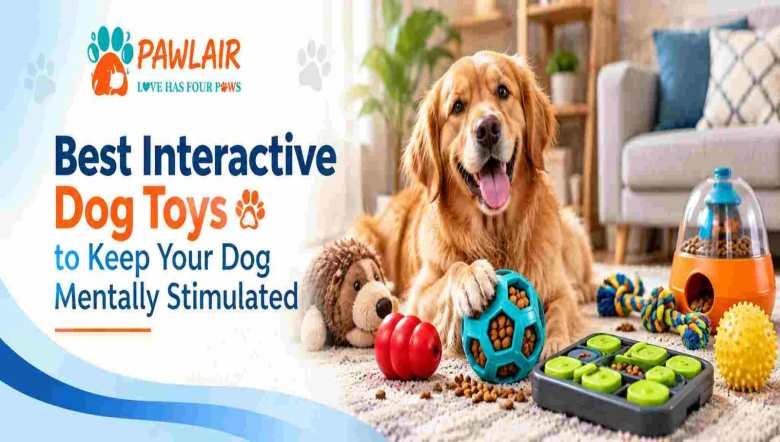
Mental stimulation is an important part of a dog’s daily routine, especially for pets that spend significant time indoors. The best interactive dog toys encourage dogs to think, explore, sniff, solve problems, and work for rewards, helping turn ordinary playtime into a more engaging activity.
Why Mental Stimulation Matters for Dogs
Dogs need more than physical exercise to stay engaged. Activities that involve searching, problem-solving, chewing, and manipulating objects can provide mental challenges that complement regular walks and play sessions. Interactive toys can be particularly useful for young professionals, parents, and busy households where a dog may spend periods alone. A thoughtfully selected enrichment toy can give your pet something constructive to investigate while you work, study, complete household tasks, or relax.
What Are Interactive Dog Toys?
Interactive dog toys are designed to encourage active participation rather than passive chewing. They may require a dog to move pieces, find hidden treats, press components, sniff compartments, or solve a simple puzzle to access a reward. The right toy depends on your dog’s age, size, chewing strength, food motivation, and experience level. Start with simple designs and gradually introduce more challenging activities as your dog learns how the toy works.
Electronic and Smart Dog Toys
Some modern enrichment toys use movement, sounds, timers, or automated treat dispensing to create unpredictable play experiences. These can be useful for certain dogs, particularly when a pet parent needs short periods of independent enrichment.
However, electronic does not automatically mean better. Consider noise, durability, battery requirements, cleaning, replacement parts, and whether your dog actually enjoys the activity before investing in a complicated device.
Rotate Toys Instead of Offering Everything
Keeping every toy available all the time can make some dogs lose interest. A simple rotation system can make familiar toys feel more engaging because different activities become available on different days.
Keep a small selection accessible and store the remaining toys safely. Change the selection periodically while retaining a few familiar favorites. This approach can provide variety without requiring you to constantly purchase new products.
Choosing the Right Toys for Your Dog
Toys are more than just a source of entertainment for dogs. The right toys can provide mental stimulation, encourage physical activity, support healthy chewing habits, and help reduce boredom when dogs spend time alone. When choosing the best dog toys, pet parents should consider their dog’s age, size, chewing behaviour, activity level, and individual preferences. A toy that works well for a small puppy may not be suitable for a large or strong chewer.
Match the Toy to Your Dog’s Personality
Food-motivated dogs may enjoy puzzle feeders and treat dispensers, while dogs that naturally sniff may prefer snuffle mats. Dogs that love chewing may respond better to durable enrichment toys, while active retrievers may prefer interactive fetch activities.
Observe what your dog naturally chooses during play. Their behavior can provide useful clues about which type of enrichment is most likely to remain interesting. Choosing based on individual preferences is generally more practical than selecting a toy simply because it is popular.
Use Interactive Toys for Training
Interactive toys can complement basic training by encouraging dogs to focus, wait, investigate, and follow simple cues. You can ask your dog to sit or wait before presenting an enrichment toy, creating a predictable routine around play.
Keep training sessions short and positive. Avoid turning every enrichment activity into a demanding obedience exercise because dogs should also have opportunities for independent exploration and relaxed play.
Mental Stimulation for Dogs Home Alone
Interactive toys can help occupy dogs during short periods when their owners are busy, but they should not be considered a complete solution for prolonged isolation. Dogs still need appropriate exercise, social interaction, bathroom breaks, and companionship.
Before leaving a dog with an interactive toy, make sure the item is safe for unsupervised use. Some puzzle toys contain removable pieces or materials that could become hazardous if a dog chews them aggressively.
Supervision and Toy Safety
Inspect interactive toys regularly for cracks, broken parts, loose fabric, damaged seams, or other signs of wear. Replace damaged toys promptly instead of trying to extend their lifespan when safety may be compromised.
Choose toys that are large enough to reduce swallowing risks and appropriate for your dog’s jaw strength. Always supervise new toys during their first few uses so you can understand how your dog interacts with them.
Keep Interactive Toys Clean
Food-based enrichment toys require regular cleaning because leftover food can remain inside grooves, compartments, or textured surfaces. Follow the manufacturer’s cleaning instructions and allow washable toys to dry completely before storing them.
Clean toys are an important part of responsible pet grooming and general hygiene. Combine toy cleaning with regular washing of bedding, food bowls, grooming tools, and other frequently used pet items.
Interactive Toys and Grooming Routines
Mental enrichment can also support a smoother pet grooming routine. For example, a calm food-based activity can help create positive associations with being handled, provided the dog is comfortable and the activity does not interfere with safe grooming.
You can introduce enrichment before or after brushing, depending on your dog’s behavior. Never use a toy to distract a dog from pain, severe anxiety, or a grooming procedure they are actively resisting. In those situations, stop and address the underlying issue appropriately.
Create a Simple Daily Enrichment Routine
A practical routine might include a short sniffing activity in the morning, a food puzzle during a quiet period, and interactive play later in the day. The exact schedule should match your dog’s age, energy level, health, and lifestyle.
You do not need expensive equipment for every session. Rotating a puzzle toy, hiding small portions of regular food around a safe area, practicing simple cues, and providing supervised chewing opportunities can create variety without making enrichment unnecessarily complicated.
How Pawlair Fits Into Your Dog’s Routine
Pawlair can be part of a broader approach to responsible dog ownership that combines enrichment with exercise, training, hygiene, and regular pet grooming. Interactive best chew toys for dogs are most useful when they complement a complete routine rather than becoming the only form of stimulation.
A balanced routine can include appropriate walks, play, positive training, coat maintenance, social interaction, rest, and mentally engaging activities. Adjust each component according to your dog’s individual needs rather than following a one-size-fits-all schedule.
Common Mistakes to Avoid
One common mistake is choosing a puzzle that is too difficult for a beginner. If a dog cannot understand how to access the reward, they may become frustrated and abandon the activity. Begin with simple challenges and increase difficulty gradually.
Another mistake is using too many treats. Food-based enrichment should be incorporated into your dog’s overall diet rather than added without consideration. You can often use part of your dog’s normal meal in a puzzle toy to provide stimulation without significantly increasing daily calorie intake.
Frequently Asked Questions
1. What are the best interactive dog toys for mental stimulation?
The best interactive dog toys depend on your dog’s preferences, age, size, chewing habits, and experience. Puzzle feeders, snuffle mats, treat dispensers, lick mats, and interactive play toys can all provide different forms of mental enrichment.
2. How long should a dog use an interactive toy?
Start with short sessions and observe your dog’s engagement and behavior. Some dogs may enjoy several short enrichment sessions throughout the day, while others prefer longer activities. Stop when your dog becomes frustrated, tired, or loses interest.
3. Are interactive dog toys good for dogs that stay indoors?
Yes, interactive toys can provide useful mental enrichment for indoor dogs. However, they should complement physical exercise, social interaction, training, and appropriate rest rather than replace these essential parts of a dog’s daily routine.
4. Can interactive toys help with dog training?
Interactive toys can support training by encouraging focus, patience, exploration, and problem-solving. They can also be incorporated into reward-based routines, but they should not replace structured training when a dog needs help with specific behavior concerns.
5. How often should interactive dog toys be cleaned?
Food-based toys should generally be cleaned after use according to the manufacturer’s instructions, particularly when moist foods are involved. Regular cleaning helps maintain hygiene and supports good pet grooming and overall pet care habits.