Best Chew Toys for Dogs: Safe Options for Aggressive Chewers
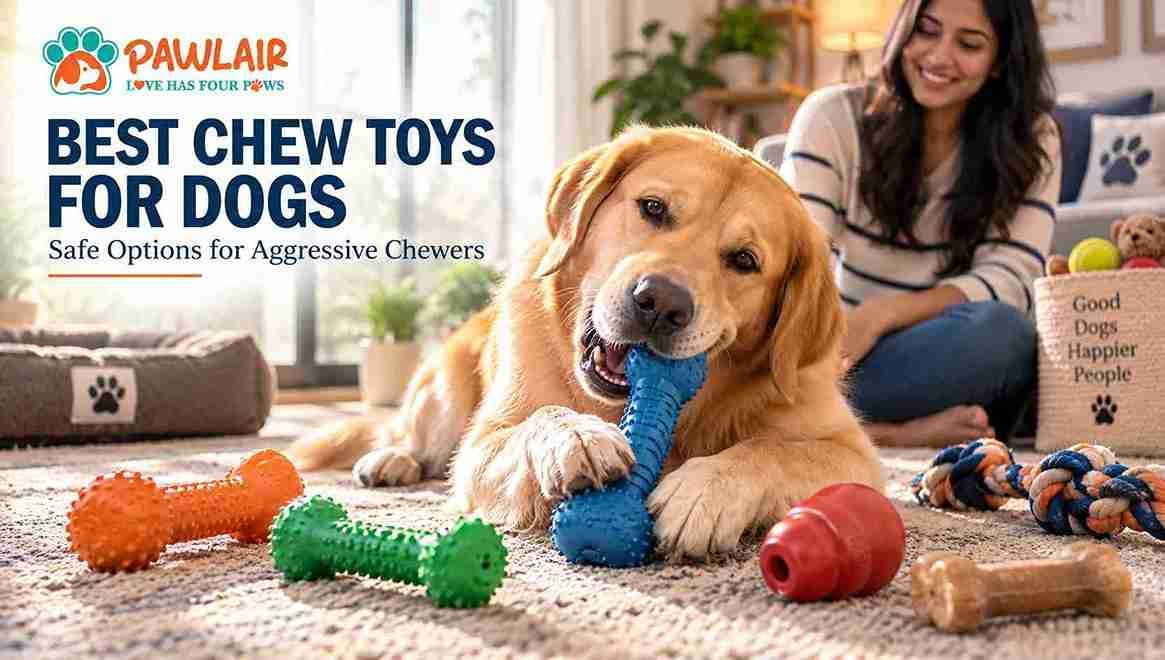
Dogs naturally chew to explore their surroundings, relieve boredom, exercise their jaws, and satisfy normal behavioral needs. For powerful chewers, however, ordinary toys can break quickly and create safety concerns. Choosing the best chew toys for dogs means considering durability, size, material, chewing style, and how easily a toy could break into dangerous pieces.
Why Do Dogs Chew So Much?
Chewing is a normal behavior for dogs of different ages. Puppies may chew more while exploring and going through teething, while adult dogs may chew because of boredom, excess energy, curiosity, or their natural preference for certain textures.
Providing appropriate durable dog toys can give your dog a safer outlet for this behavior. Instead of allowing your dog to chew furniture, shoes, cables, or household objects, offer a purpose-designed toy and reinforce the behavior with calm praise and positive pet training.
How to Choose the Right Chew Toy Size
Toy size is one of the most important factors when choosing the best chew toys for dogs. A toy that is too small may become a choking or swallowing hazard, while a toy that is too large may be difficult for your dog to use comfortably.
Check the manufacturer’s size recommendations and compare them with your dog’s weight and mouth size. Do not choose a toy solely because your dog likes it. The safest option is one that matches the dog’s physical characteristics and chewing behavior.
Supervise Aggressive Chewers
Dogs with powerful chewing habits should not automatically be left alone with every chew toy. Supervision allows you to understand how your dog interacts with a new product and identify potential problems before they become serious.
During the first few sessions, observe whether your dog chews, licks, carries, or attempts to break the toy apart. If your dog consistently tries to destroy and swallow pieces, discontinue that toy and look for a different design that better matches the dog’s behavior.
Use Chew Toys as Part of Pet Training
Chew toys can become valuable tools for positive pet training. When your dog begins chewing an inappropriate household object, calmly redirect attention toward an approved toy and reward the correct choice.
Consistency is important. Avoid turning redirection into an exciting chase because some dogs may interpret chasing as a game. Instead, encourage the appropriate behavior and reinforce calm interaction with the toy through praise, attention, or a suitable reward.
Chewing, Exercise, and Mental Enrichment
A dog that receives adequate physical exercise and mental stimulation may have more appropriate outlets for its energy. Chew toys should complement regular walks, play, training, social interaction, and age-appropriate activities rather than replace them.
A simple daily routine can include a walk, a short training session, interactive play, and supervised chewing time. Combining these activities supports broader pet care and can make enrichment more meaningful than relying on toys alone.
Keep Grooming and Chewing Habits Separate
Regular pet grooming is another important part of responsible dog ownership, but grooming should not be used as a substitute for enrichment. Brushing, bathing, nail maintenance, coat care, and dental hygiene address different aspects of your dog’s wellbeing.
Dogs that dislike handling may benefit from gradual positive pet training around grooming routines. Introduce brushes, nail-care tools, and handling slowly while rewarding calm behavior, just as you would when teaching your dog to use a new chew toy.
How Pawlair Can Support Better Dog Care
Pawlair focuses on responsible and practical dog care, including routines that can involve grooming, training, exercise, and everyday enrichment. Choosing appropriate toys is one small part of creating a healthier and more engaging lifestyle for your dog.
Pet parents can make chewing safer by providing suitable toys, supervising powerful chewers, maintaining regular exercise, and reinforcing appropriate behavior. Combining these habits with consistent pet care, pet training, and pet grooming can create a more structured routine for dogs and their families.
Common Mistakes to Avoid
Do not assume that an expensive toy is automatically safer or that a product marketed as “indestructible” cannot break. Avoid toys that are clearly too small, heavily damaged, dangerously hard for your individual dog, or made from materials that can easily splinter or separate.
Another common mistake is giving a new toy and immediately leaving the dog unsupervised. Instead, introduce it while observing your dog’s behavior. If the toy survives several sessions without dangerous wear and your dog uses it appropriately, it may become a useful addition to the dog’s enrichment routine.
5 FAQs About Chew Toys for Dogs
1. What are the best chew toys for aggressive chewers?
The best chew toys for dogs depend on the individual dog’s size, chewing strength, age, and behavior. Durable rubber and appropriately designed nylon toys can be options for some powerful chewers, but every toy should be inspected and used according to the manufacturer’s guidance.
2. Are durable dog toys completely indestructible?
No. Even very durable dog toys can eventually break when used by powerful chewers. Check toys regularly for cracks, missing pieces, sharp edges, loose threads, or other damage, and replace them when they become unsafe.
3. Can chew toys help with destructive chewing?
Appropriate chew toys can provide a suitable outlet for normal chewing behavior and may help redirect a dog away from household objects. Combine toys with exercise, enrichment, and consistent pet training rather than relying on a chew toy alone.
4. Are hard chew toys safe for every dog?
No. Extremely hard toys may not be appropriate for every dog and can potentially damage teeth. Consider your dog’s chewing style and dental health, follow product guidance, and consult a veterinarian if you are uncertain about an appropriate material or hardness.
5. How often should I replace my dog’s chew toys?
There is no universal replacement schedule because wear depends on the dog’s chewing strength and the toy’s material. Inspect toys frequently, particularly after heavy chewing, and replace them immediately when they develop dangerous damage or become small enough to swallow.