How Often Should You Groom Your Dog? A Complete Grooming Guide
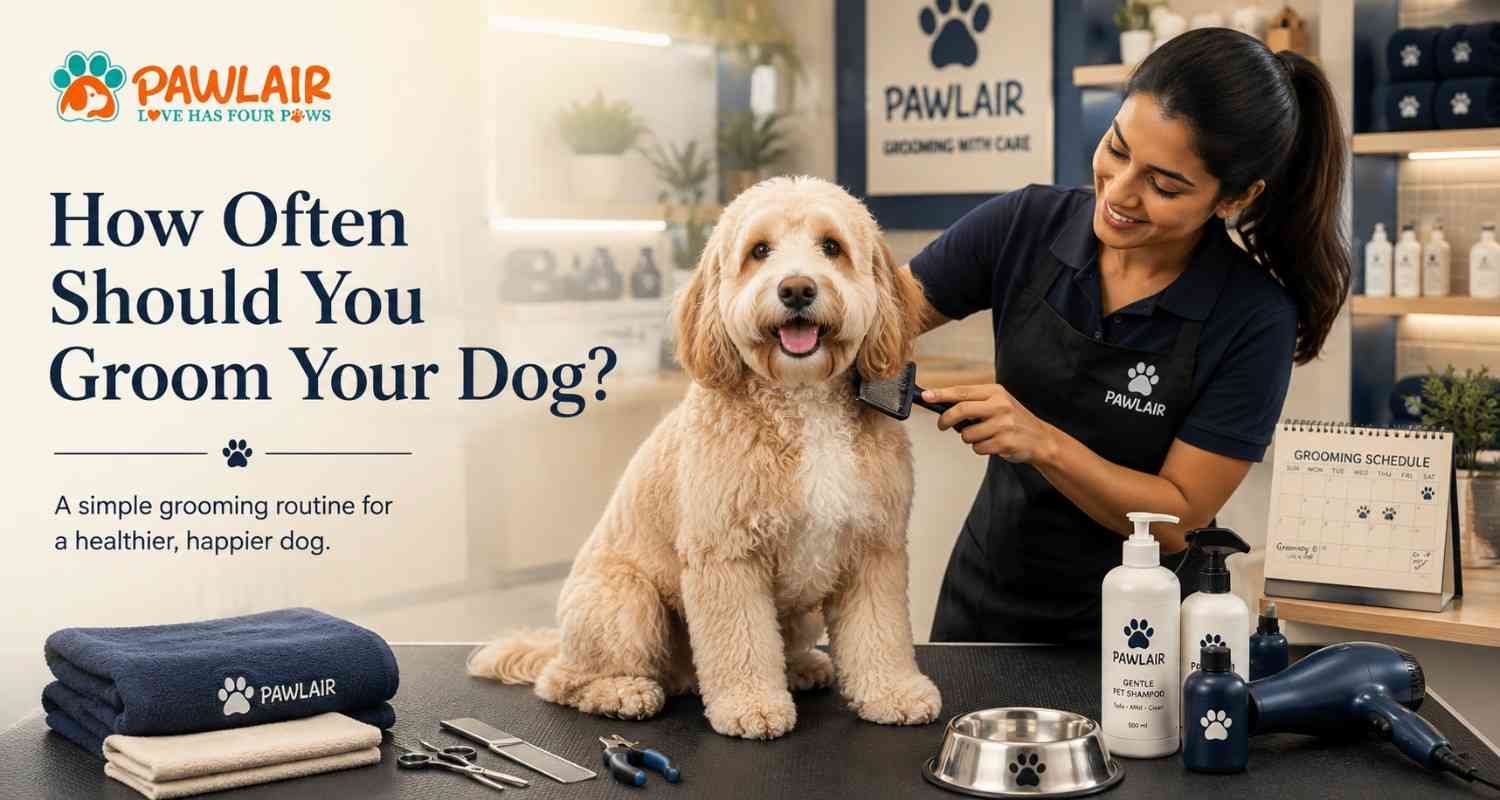
Regular dog grooming is an essential part of responsible pet care, helping your dog maintain a healthy coat, clean skin, trimmed nails, and overall comfort. However, there is no single grooming schedule that works for every dog. Breed, coat type, lifestyle, age, activity level, and skin condition all influence how frequently your dog needs professional and at-home grooming.
Why Is Regular Dog Grooming Important?
A consistent dog grooming schedule does more than keep your dog looking clean and well-maintained. Regular brushing can help remove loose hair, dirt, and debris while allowing you to notice changes such as skin irritation, unusual lumps, parasites, or areas of discomfort. Grooming also provides an opportunity to check your dog’s paws, ears, nails, coat, and skin.
Professional Pet Grooming can be particularly useful for dogs with long, thick, curly, or continuously growing coats. Without appropriate maintenance, some coats can become tangled or matted, which may cause discomfort and make future grooming more difficult. Combining professional grooming with simple home care can help maintain your dog’s hygiene between appointments.
How Often Should You Groom Your Dog?
The ideal dog grooming schedule depends largely on your dog’s coat and lifestyle. Short-haired dogs may only require professional grooming every 8–12 weeks, while medium- and long-haired breeds may benefit from professional attention every 4–8 weeks. Dogs with curly or continuously growing coats may need grooming every 4–6 weeks to prevent excessive growth and matting.
Your dog’s daily lifestyle also matters. Dogs that spend considerable time outdoors, regularly go on pet walking adventures, or frequently play in parks may accumulate more dirt and debris than dogs that spend most of their time indoors. Adjust grooming frequency according to your dog’s actual needs rather than following a rigid calendar.
How Often Should You Brush Your Dog?
Brushing frequency depends on coat type. Short-haired dogs may be comfortable with weekly brushing, while medium- and long-haired dogs may need brushing several times a week or even daily. Regular brushing is one of the easiest forms of pet care that you can perform at home.
Use the correct brush for your dog’s coat and work gently from one section to another. Avoid aggressively pulling through knots. If you encounter a difficult mat close to the skin, contact a professional groomer rather than repeatedly pulling at it, as this can cause pain or skin injury.
How Often Should You Bathe Your Dog?
Bathing frequency should be based on your dog’s coat, lifestyle, skin needs, and veterinarian or groomer recommendations. Many healthy dogs do not need frequent baths, and bathing too often with unsuitable products can dry or irritate the skin.
If your dog becomes muddy or dirty after outdoor activities, clean them as needed using a dog-appropriate shampoo. Always rinse thoroughly and dry the coat properly. Dogs with specific skin conditions may require a different bathing routine, so professional veterinary advice is appropriate when skin problems are present.
Grooming After Pet Walking and Outdoor Activities
Regular pet walking provides excellent exercise and mental stimulation, but outdoor activity can also expose your dog to dirt, grass, mud, and debris. After walks, check the paws, legs, coat, and areas around the ears for unwanted debris.
You do not necessarily need a full bath after every walk. Wiping muddy paws with a suitable pet-safe cloth and brushing away dry dirt may be sufficient for minor messes. Establishing a quick post-walk cleaning routine can help maintain your dog’s hygiene between professional grooming appointments.
Grooming and Pet Training Work Together
Some dogs find brushing, nail trimming, bathing, and professional grooming stressful. Basic pet training can help them become more comfortable with these routines. Practice gently touching your dog’s paws, ears, face, and tail and reward calm behavior.
You can also introduce grooming tools gradually. Allow your dog to sniff a brush or hear a dryer from a safe distance before using it. Reward calm responses and keep sessions short. These simple exercises can make future Pet Grooming appointments easier and help create positive associations with grooming.
Create a Practical Dog Grooming Schedule
A simple schedule can prevent grooming tasks from being forgotten. For example, you might brush your dog several times per week, check their ears and paws regularly, monitor nail length, and schedule professional grooming according to their coat type. Keep a record of appointments so you can identify how quickly your dog’s coat grows between visits.
Busy pet parents and working professionals may find it helpful to book recurring appointments in advance. If you use pawlair for Pet Grooming or other pet care services, ask about recommended appointment intervals based on your dog’s breed, coat, lifestyle, and grooming requirements.
Signs Your Dog Needs Grooming Sooner
Your dog may need grooming sooner than planned if you notice excessive tangling, mats, strong odor, dirty paws, overgrown nails, excessive shedding, or a coat that is difficult to brush. Dogs that regularly play outdoors or participate in activities may also need additional cleaning between scheduled appointments.
Behavior can provide clues as well. If your dog repeatedly scratches, licks a particular area, shakes their head frequently, or seems uncomfortable when touched, do not assume grooming alone will solve the issue. These signs can sometimes indicate an underlying health concern and may require veterinary attention.
Make Grooming a Regular Part of Pet Care
The best dog grooming schedule is one that fits your dog’s individual needs and remains consistent throughout the year. Regular brushing, appropriate bathing, nail care, ear checks, professional Pet Grooming, and post-pet walking maintenance can keep your dog cleaner and more comfortable.
Remember that grooming is not simply about appearance. It is an important part of responsible pet care and can complement pet training, exercise, and routine health monitoring. Whether you manage grooming at home, use pawlair, or combine both approaches, a consistent routine can make grooming easier and more comfortable for you and your dog.