What Does Dog Insurance Cover? A Simple Guide
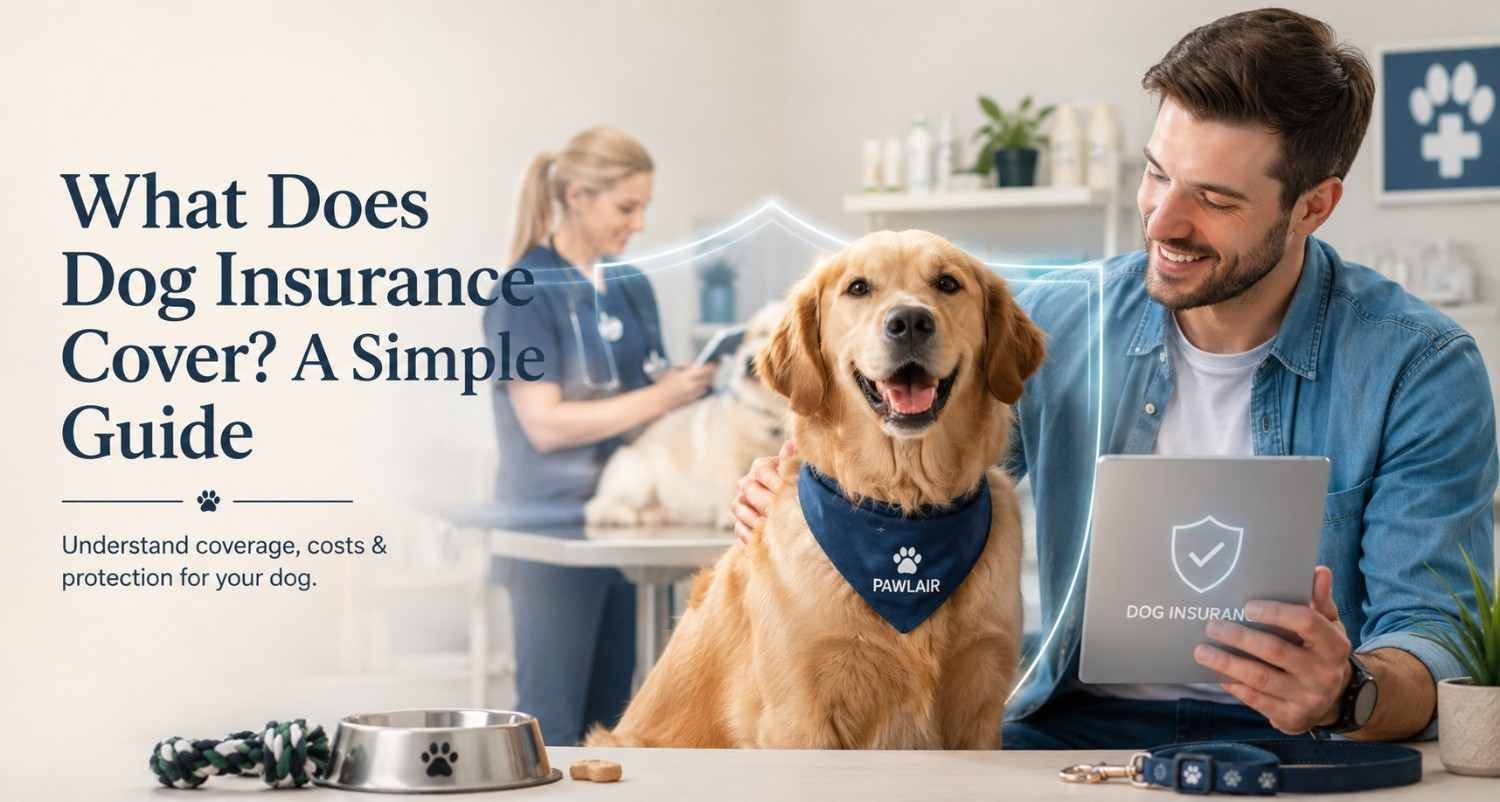
Understanding what does dog insurance covers is important before choosing a policy for your pet. Dog Insurance can help manage eligible veterinary expenses after accidents, illnesses, and certain medical treatments. However, coverage varies by insurer, policy, exclusions, waiting periods, limits, and claim conditions, so always read the policy terms carefully.
What Is Dog Insurance?
Dog Insurance is designed to provide financial support for certain veterinary expenses covered under a pet insurance policy. Depending on the plan, coverage may include treatment for accidents, illnesses, surgeries, hospitalisation, diagnostic tests, and other eligible medical costs.
For pet parents, insurance can provide additional financial protection when unexpected veterinary expenses arise. It should be viewed as a financial safety net rather than a replacement for everyday pet care, preventive healthcare, grooming, exercise, or responsible ownership.
Understanding Dog Insurance for Pet Parents
Unexpected veterinary expenses can sometimes become a significant financial burden for dog parents, especially when a pet requires emergency treatment, surgery, hospitalization, or long-term care. This is where Dog insurance in India can provide an additional layer of financial protection. Pet insurance policies may help cover eligible veterinary expenses arising from accidents, illnesses, or specific medical conditions, depending on the insurer and the terms of the policy. Before choosing a plan, pet parents should carefully review what is covered, what is excluded, waiting periods, claim limits, deductibles, and reimbursement conditions.
What Does Dog Insurance Cover?
The answer to what does dog insurance cover depends on the specific policy you purchase. Many policies focus primarily on unexpected medical expenses caused by covered accidents or illnesses, while some may provide additional benefits through optional or extended coverage.
Before purchasing a policy, request the complete policy wording and check exactly which treatments are covered, what limits apply, whether co-payments are required, and which conditions are excluded. Never assume that every veterinary expense will automatically qualify for reimbursement.
1. Accidental Injuries
Accidental injuries are commonly included in pet insurance policies, subject to policy conditions. If your dog suffers an eligible injury because of an accident, the policy may help cover approved veterinary expenses associated with diagnosis and treatment.
For example, eligible expenses could potentially involve veterinary consultation, diagnostic procedures, medication, or surgery following a covered accident. Always confirm whether the policy has specific limits, deductibles, waiting periods, or exclusions before relying on the coverage.
2. Illness-Related Treatment
Some Dog Insurance plans provide coverage for eligible illnesses that develop after applicable waiting periods. Depending on the policy, this may include veterinary consultations, diagnostic tests, medication, hospitalisation, or treatment for covered conditions.
Illness coverage is particularly important because veterinary treatment can become expensive when a dog requires repeated consultations, testing, or specialist care. Check whether particular diseases, hereditary conditions, chronic illnesses, or breed-related conditions have special terms or exclusions.
3. Veterinary Consultation and Diagnostic Expenses
Certain policies may cover eligible veterinary consultation and diagnostic expenses when they are directly related to a covered accident or illness. Diagnostic procedures may include blood tests, imaging, or other investigations recommended by a veterinarian.
Coverage is usually subject to policy conditions, so do not assume that routine consultations or every diagnostic test will be reimbursed. Before submitting a claim, keep invoices, prescriptions, medical reports, test results, and other documents requested by the insurer.
4. Surgery and Hospitalisation
Surgery and hospitalisation can represent some of the largest veterinary expenses, making this an important area to investigate when comparing Dog Insurance plans. A policy may cover eligible surgical procedures and hospital expenses resulting from covered medical conditions.
Look carefully at annual limits, procedure-specific limits, room or hospitalisation restrictions, deductibles, and co-payment requirements. Ask the insurer whether pre-authorisation is required for planned procedures and how emergency treatment should be reported.
5. Prescription Medicines
Depending on the policy, certain prescribed medicines may be covered when they are required to treat an eligible accident or illness. This can be useful when treatment requires medication after surgery, injury, infection, or another covered condition.
However, routine supplements, preventive products, or medicines associated with excluded conditions may not qualify. Keep the original prescription and pharmacy or veterinary invoice because these documents may be required during the claims process.
6. Emergency Veterinary Care
Emergency veterinary treatment can happen unexpectedly, which is one reason some pet parents consider Dog Insurance. Depending on the policy, eligible emergency consultations, procedures, hospitalisation, or medication may be covered when related to an insured condition.
Before an emergency occurs, save your insurer’s claim helpline and understand the required notification process. Knowing what to do beforehand can make the claims process easier during an already stressful situation.
7. Hereditary or Congenital Conditions
Coverage for hereditary and congenital conditions varies significantly between insurance policies. Some policies may exclude these conditions, while others may cover certain conditions subject to specific requirements, waiting periods, or limits.
This is especially important when researching insurance for particular breeds that may have recognised health risks. Ask the insurer directly whether hereditary, congenital, breed-specific, or genetic conditions are covered and request the answer in writing whenever possible.
8. Pre-Existing Conditions
Pre-existing conditions are commonly subject to exclusions or special restrictions in pet insurance. A condition that existed or showed symptoms before the policy’s coverage began may not qualify for reimbursement.
When purchasing Dog Insurance, provide accurate information about your dog’s medical history. Do not hide previous illnesses or treatments to obtain coverage. Incorrect or incomplete information could create problems when you eventually submit a claim.
9. Preventive and Routine Care
Routine pet care is not necessarily included in standard accident and illness insurance. Regular vaccinations, routine checkups, parasite prevention, food, supplements, and other everyday expenses may be excluded unless the policy specifically provides wellness or preventive-care benefits.
If routine care is important to you, ask whether the insurer offers an optional wellness package or preventive-care benefit. Compare the additional premium with the actual value of the benefits before deciding whether the upgrade makes financial sense.
Does Dog Insurance Cover Dog Grooming?
A common question is whether Pet Grooming is included in insurance. Standard accident and illness policies generally focus on eligible medical treatment rather than ordinary grooming services such as bathing, brushing, coat trimming, or nail clipping.
Regular Pet Grooming remains an important part of responsible pet care, but it should normally be budgeted separately unless your policy specifically states that a particular grooming-related expense is eligible. Always check the policy wording instead of assuming grooming is covered.
Does Dog Insurance Cover Pet Training?
Most standard medical insurance policies do not typically cover ordinary pet training because obedience training is generally considered a routine ownership expense rather than veterinary treatment.
Professional pet training can nevertheless be valuable for developing good behaviour, improving communication, and helping dogs become safer companions. Treat training as a separate part of your pet budget unless your specific insurance policy provides a clearly stated training benefit.
Does Dog Insurance Cover Pet Grooming at Pawlair?
If you use Pawlair or another professional pet-care provider for Pet Grooming, pet training, or pet walking, check the insurance policy before assuming these services are reimbursable.
Insurance generally covers expenses according to defined medical terms rather than the service provider itself. If a policy mentions a particular service benefit, confirm whether Pawlair is an eligible provider and whether pre-approval, invoices, prescriptions, or other documentation is required.