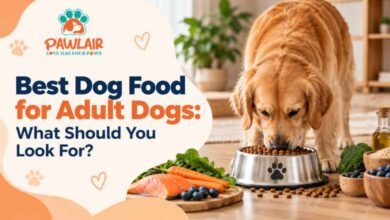
As dogs grow older, their nutritional needs can change with age, activity level, body condition, and overall health. Choosing the best dog food for senior dogs is not simply about selecting a food labelled “senior.” Pet parents should consider protein quality, calories, fat, fiber, essential nutrients, portion size, and the individual needs of their dog.
When Should a Dog Start Eating Senior Dog Food?
There is no single age when every dog becomes a senior. Smaller breeds may remain active for longer, while larger breeds can show age-related changes earlier. Instead of changing food based only on an age number, monitor changes in activity, body condition, appetite, digestion, mobility, and overall routine. If your dog is entering its senior years, discuss its nutritional needs during routine veterinary checkups. A veterinarian can help determine whether a standard adult maintenance food, senior-formulated food, or a therapeutic diet is more appropriate.
What Makes the Best Dog Food for Senior Dogs?
The best dog food for senior dogs should provide complete and balanced nutrition appropriate for the dog’s life stage while matching its activity level and body condition. Senior dogs often become less active, so their calorie requirements may decrease even though they still need adequate protein and essential nutrients. Look beyond the word “senior” on the packaging. Check the nutritional adequacy statement, ingredient list, calorie information, feeding guidelines, and manufacturer’s feeding recommendations. A good food should fit your dog’s specific needs rather than simply making broad promises about ageing.
Choose High-Quality Protein
Protein remains important for older dogs because maintaining healthy muscle mass becomes increasingly important as activity and body composition change. A senior dog should receive an appropriate amount of quality protein as part of a complete diet. Do not automatically choose a low-protein food simply because your dog is old. Healthy senior dogs may still benefit from adequate protein, while dogs with diagnosed kidney, liver, or other medical conditions may require specific dietary adjustments. Medical diets should be selected with veterinary guidance.
Manage Calories and Body Weight
Weight management is one of the most practical aspects of senior pet care. Older dogs may exercise less, which can make weight gain easier if food portions remain unchanged. Excess body weight can place additional stress on joints and make everyday movement more difficult. Measure your dog’s food rather than estimating portions by eye. Check its body condition regularly and adjust feeding amounts with professional guidance if its weight is changing. Treats, table scraps, dental chews, and toppers should also be included when considering total daily calories.
Look for Appropriate Healthy Fats
Dietary fats provide concentrated energy and essential fatty acids. Depending on the formulation, foods containing appropriate sources of omega-3 fatty acids may be useful as part of an overall balanced diet, particularly when supporting healthy skin and coat.
However, more fat is not automatically better. Senior dogs with lower activity levels may gain weight if their diet provides excessive calories. The goal is a balanced nutritional profile that provides essential nutrients without making calorie control unnecessarily difficult.
Consider Digestive Health and Fiber
Some older dogs experience changes in digestion, stool consistency, or appetite. Appropriate dietary fiber can support normal digestive function and may help some dogs maintain healthy bowel movements. However, individual tolerance varies, so sudden changes in fiber can sometimes cause digestive upset.
When choosing food, consider your dog’s existing digestive pattern rather than choosing a product solely because it advertises high fiber. If your senior dog has persistent diarrhea, constipation, vomiting, appetite loss, or other digestive changes, veterinary assessment is more appropriate than simply changing food.
Senior Dogs May Need Different Feeding Strategies
Older dogs do not always need a completely different food, but their feeding routine may need adjustment. Some dogs remain active and maintain a healthy body condition on their existing adult food, while others benefit from a senior-specific formulation with appropriate calorie density.
If your dog has difficulty chewing, a softer food or combination of wet and dry food may be worth discussing. Make changes gradually over several days so the digestive system has time to adapt. Sudden food changes can cause unnecessary stomach upset.
Dry Food vs Wet Food for Senior Dogs
Dry food is convenient, easy to measure, and can be stored easily. Wet food generally contains more moisture and may be easier for some dogs to eat, particularly when appetite or chewing becomes a concern. Both can be suitable when they provide appropriate complete nutrition.
The best choice depends on your dog’s preferences, dental condition, hydration needs, calorie requirements, and overall diet. If using a combination of wet and dry foods, calculate portions carefully because their calorie densities can differ significantly.
Read the Dog Food Label Carefully
When comparing the best dog food in India, avoid choosing products based only on front-of-pack claims such as “premium,” “natural,” “holistic,” or “for mature dogs.” These terms may not tell you whether the food is nutritionally appropriate for your individual pet.
Instead, examine the nutritional information and feeding guidance. Look for a clear statement that the food is complete and balanced for the intended life stage. Also check calories per serving and follow the manufacturer’s storage and feeding instructions.
How Pawlair Supports a Complete Senior Dog Routine
At Pawlair, responsible pet care should consider the whole lifestyle of an ageing dog. Appropriate nutrition works together with exercise, enrichment, pet training, hygiene, pet grooming, regular observation, and veterinary care.
A good feeding routine can provide nutritional support, but senior dogs also need patience and adjustments as their abilities change. Creating a comfortable daily routine and watching for small changes can help pet parents respond earlier when their dog’s needs evolve.
FAQs
1. What is the best dog food for senior dogs?
The best food depends on the individual dog’s age, size, activity, body condition, and health status. Choose a complete and balanced diet appropriate for the dog’s life stage and discuss specialized nutritional needs with a veterinarian.
2. Is senior dog food necessary for every older dog?
No. Some healthy senior dogs can remain on an appropriate adult maintenance food. A senior-specific formula may be useful for certain dogs, but the decision should be based on nutritional needs rather than age alone.
3. Should senior dogs eat more protein?
Senior dogs still need adequate protein to support normal body maintenance and muscle health. However, dogs with certain medical conditions may require a specially formulated diet. Do not significantly increase or reduce protein without appropriate professional guidance.
4. Is wet food better for senior dogs?
Not necessarily. Wet and dry foods can both be appropriate. Wet food may be useful for dogs that prefer softer textures or need additional moisture, while dry food is convenient and easy to portion. The nutritional profile and an individual dog’s needs matter most.
5. How can I help my senior dog maintain a healthy weight?
Measure meals consistently, control treats, monitor body condition, provide appropriate daily activity, and review food portions when activity levels change. Regular veterinary checkups can also help identify weight or health changes early.